7 Smart Strategies for Saving Money While Grocery Shopping Amid Rising Food Prices
Grocery shopping has become noticeably more expensive in recent years, as food prices continue to climb across the globe. Shoppers everywhere are feeling the squeeze, with budgets stretched thinner than ever before. Making ends meet can seem daunting, but there are practical ways to keep your pantry full without breaking the bank. Adopting smart shopping strategies is now essential for anyone hoping to make their dollar go further at the checkout. In this article, we’ll explore seven effective tactics to help you save money while still bringing home the groceries your family needs.
1. Make a Detailed Shopping List and Stick to It

One of the most effective ways to save money is to create a detailed shopping list before heading to the store. Base your list on planned meals for the week, so every item has a purpose. Shopping with a list keeps you focused and helps avoid costly impulse buys that add up quickly. According to Consumer Reports research, shoppers who use a list spend significantly less than those who don’t. Stay disciplined and watch your savings grow each trip.
2. Compare Prices and Use Store Apps

Take advantage of technology to maximize your grocery savings. Compare prices at different stores before you shop—sometimes, even nearby supermarkets offer dramatically different deals on the same items. Many grocery chains have their own mobile apps packed with digital coupons, loyalty rewards, and weekly specials. Apps like Kroger, Safeway, and Walmart can help you unlock extra discounts at checkout. Check out this helpful guide to grocery shopping apps by U.S. News & World Report to get started.
3. Buy in Bulk When It Makes Sense

Purchasing in bulk can lead to substantial savings—especially for non-perishable staples like rice, pasta, or canned goods. It’s also smart for freezer-friendly items such as meat and vegetables. However, be cautious: only buy in bulk if you’re sure you’ll use the items before they expire. Bulk store memberships, like those at Costco or Sam’s Club, come with an upfront fee but often pay for themselves through savings. For more tips, see this advice from The Penny Hoarder on buying in bulk wisely.
4. Opt for Store Brands Over Name Brands

Switching to store brands is a simple way to cut costs without sacrificing quality. Many supermarkets offer their own versions of everything from cereal to cleaning supplies, often at a fraction of the price of name brands. Surprisingly, blind taste tests by Consumer Reports show that store brands frequently match—and sometimes surpass—national brands in quality. Try swapping a few items on your next trip and enjoy the savings.
5. Shop Seasonal and Local Produce
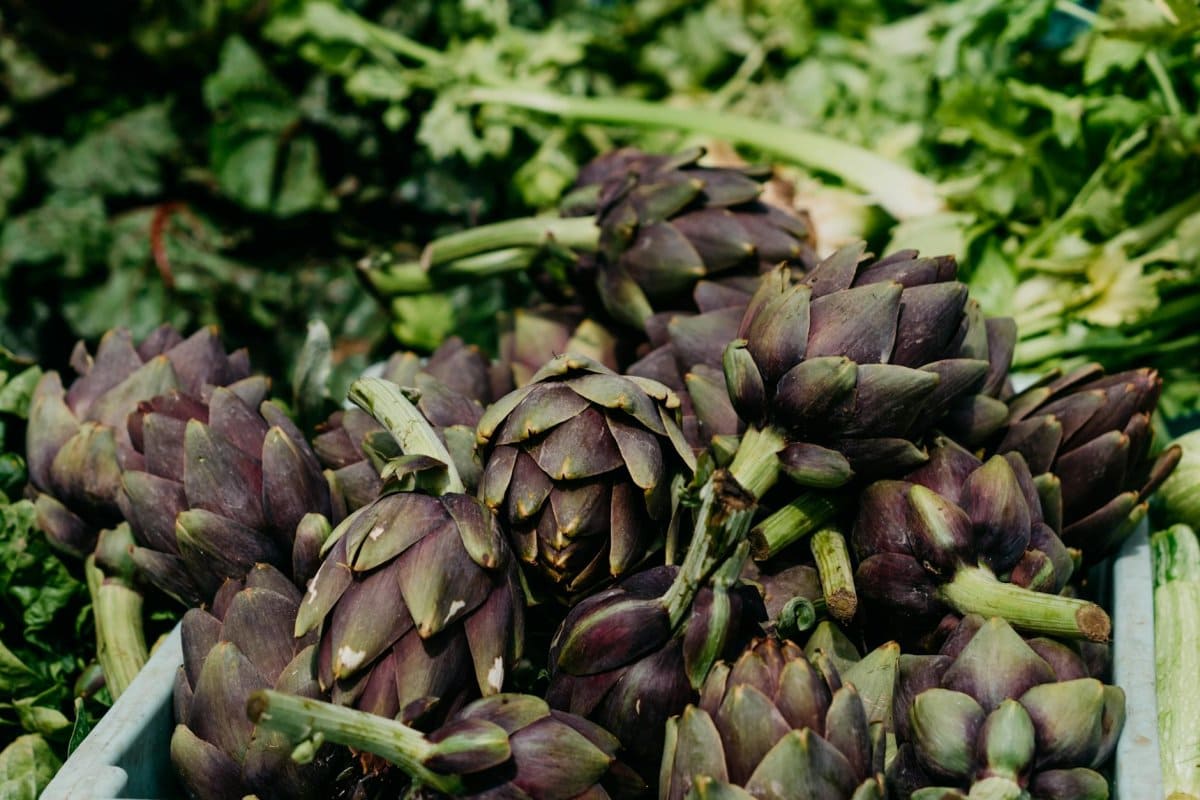
When you choose seasonal and local produce, you’re likely to get fresher fruits and vegetables at a lower cost. Buying what’s in season often means better quality and savings compared to imported, out-of-season items. Local farmers’ markets or grocery stores featuring regional produce can offer competitive prices and support your community. For example, strawberries are usually cheaper—and tastier—in summer than in winter. Explore this helpful USDA guide to seasonal produce for ideas on what to buy each month.
6. Avoid Shopping When Hungry
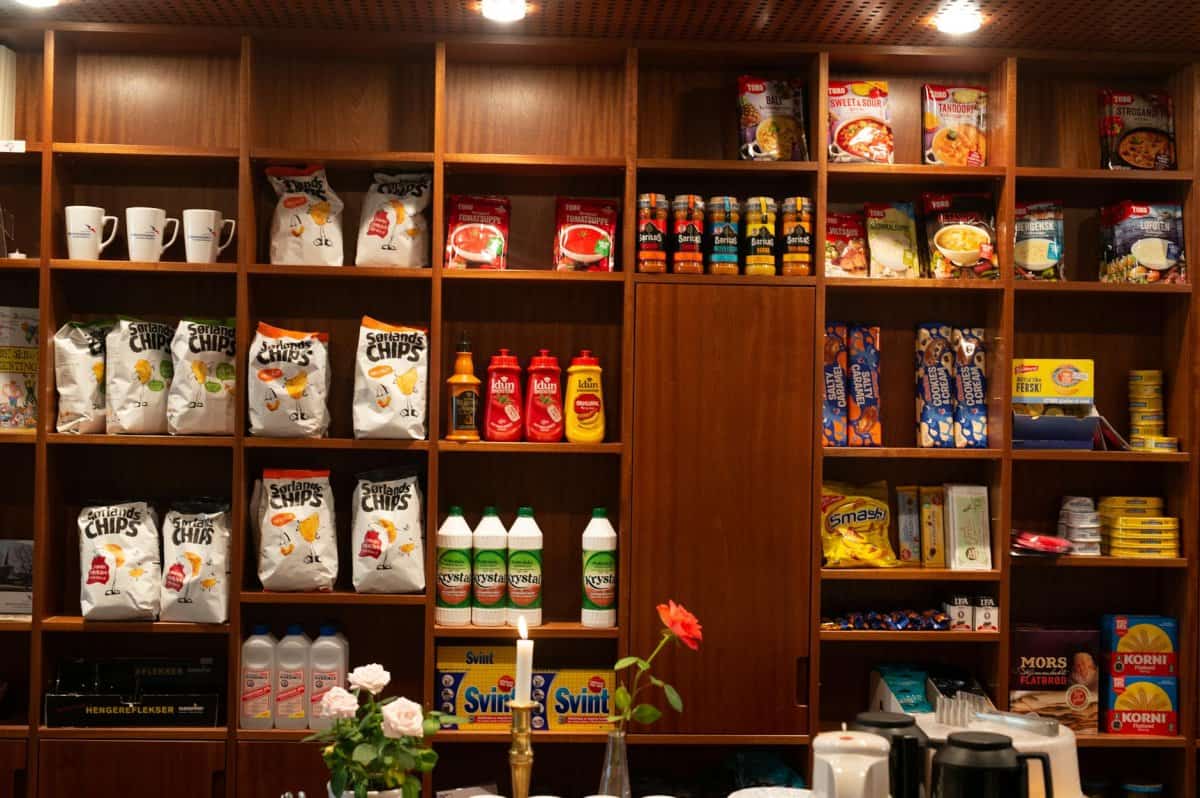
Shopping on an empty stomach increases the temptation to make impulse buys—especially for snacks and convenience foods. Research published in the Journal of the American Medical Association shows that hungry shoppers tend to buy more high-calorie items. To keep your cart—and your budget—in check, plan your grocery trips after a meal or snack.
7. Use Cashback and Loyalty Programs

Take advantage of cashback apps and store loyalty programs to earn rewards on your regular grocery purchases. Apps like Ibotta and Fetch Rewards give you money back for scanning receipts, while supermarket loyalty cards provide exclusive discounts and points. Compare which programs fit your shopping habits best, and stack rewards when possible. For more strategies, see this NerdWallet guide to maximizing grocery rewards.
Conclusion

As food prices continue to rise, adopting these smart shopping strategies can make a meaningful difference in your monthly grocery expenses.
By being proactive—planning ahead, using technology, and making thoughtful choices—you’ll stretch your budget further without sacrificing quality or nutrition.
Embrace these habits each time you shop and watch your savings add up.
A little extra effort at the store can lead to greater peace of mind at home.
Disclaimer

These tips are for general guidance only. Everyone’s financial situation is unique, so consider your own needs and consult a qualified professional for personalized advice before making significant grocery budgeting decisions.
.article-content-img img { width: 100% }