Photos of the’70s That Gen Alpha Will Never Understand
The 1970s was an era defined by analog technology, questionable fashion choices, and a “free-range” approach to childhood that is almost unimaginable today. For Gen Alpha — raised on smartphones, streaming, and immediate curated experiences — the 1970s looks like a foreign, slightly hazardous country. A place where kids roamed free, phones were bolted to walls, and the color avocado green was genuinely considered chic.
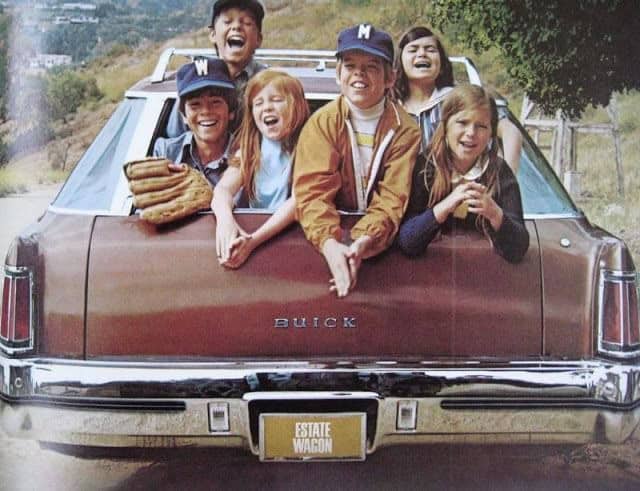
Kids riding in the back of station wagons
There were no seatbelts, no car seats, and definitely no strict safety rules. Kids would pile into the back of station wagons, sometimes even lying down or facing backward, sliding around as the car moved. It wasn’t seen as dangerous—it was just how families traveled.
Today, this would immediately raise alarms, but in the 1970s, safety standards were far more relaxed. Parents trusted things would be fine, and kids often saw it as part of the adventure rather than a risk.

Riding bikes all day without supervision
Kids would leave the house early, hop on their bikes, and disappear for hours without checking in. There were no phones, no tracking apps, and no constant updates—just freedom to explore.
The only expectation was simple: be home before dark. Compared to today’s highly monitored childhoods, this level of independence feels almost impossible to imagine for Gen Alpha.
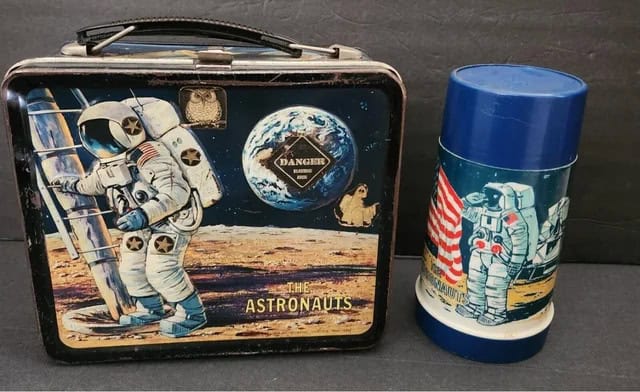
Metal lunchboxes that doubled as weapons
Lunchboxes weren’t soft or insulated—they were made of hard metal, often decorated with popular TV shows or cartoons. They were durable, but also heavy and capable of doing some damage.
On the playground, they sometimes became accidental (or intentional) weapons during rough play. Safety wasn’t part of the design—they were built to last, not to protect.
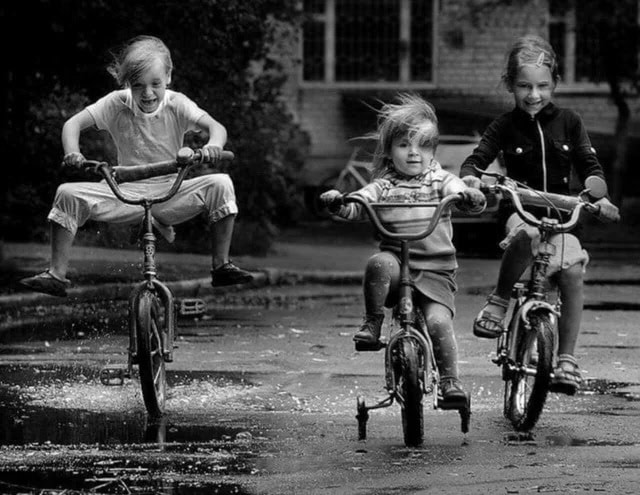
Playing outside all day without any electronics
There were no tablets, smartphones, or gaming consoles competing for attention. Kids spent entire days outdoors, making up games, building things, and using their imagination.
Boredom wasn’t avoided—it was embraced. And from that boredom came creativity, something that’s much harder to develop in today’s screen-filled environment.

Letting your parents know you were fine by not calling
Communication worked very differently. If parents didn’t hear from you, they assumed everything was okay. There was no expectation to constantly check in.
Today, even a short period of silence can cause concern, but in the 70s, it was normal. Trust and independence shaped the parent-child dynamic in a way that feels distant now.
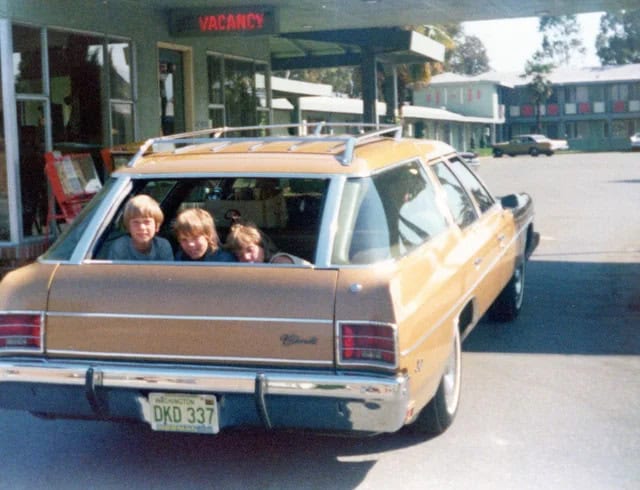
Riding in the “way-back” of a station wagon
The rear-facing seats in station wagons were a favorite spot for kids. It felt fun to face the road behind you and wave at passing cars.
But those seats offered little to no protection. What felt exciting at the time would now be considered a serious safety hazard.
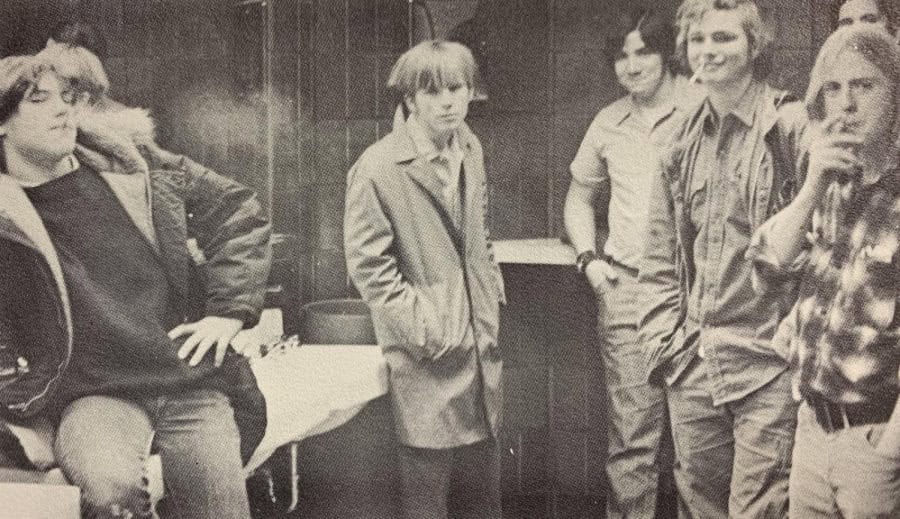
Smoking lounges in high school
Some high schools actually had designated smoking areas for students. It wasn’t hidden or discouraged—it was openly accepted as part of teenage life.
Looking back, it feels shocking, but at the time, smoking was far more socially acceptable, even among younger people. Awareness of health risks wasn’t as widespread as it is today.
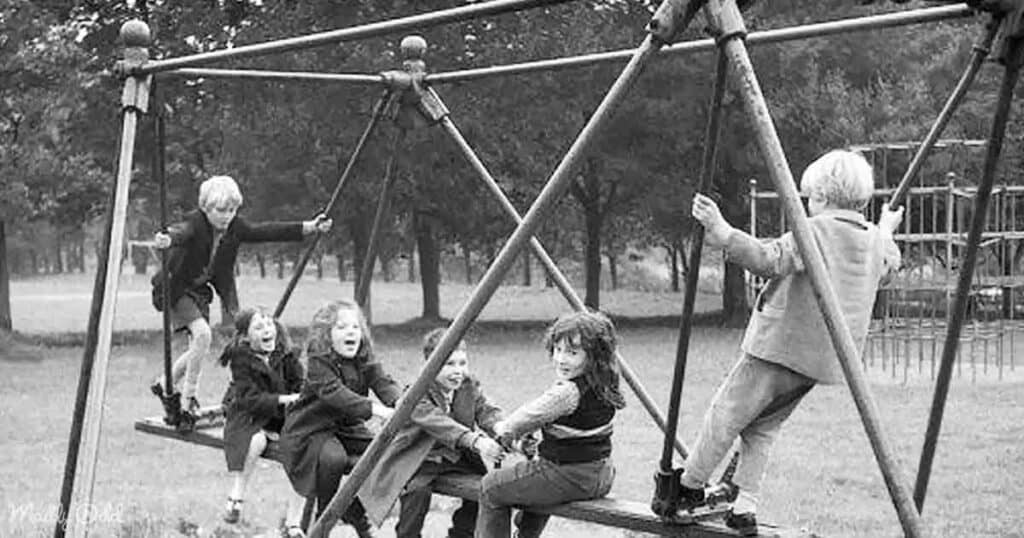
Parents not knowing where you were for hours
Kids could roam neighborhoods, parks, and streets without anyone tracking their location. Parents often had no idea exactly where their children were throughout the day.
It sounds risky by today’s standards, but it was a normal part of growing up. Independence came early, and kids learned to navigate the world on their own.
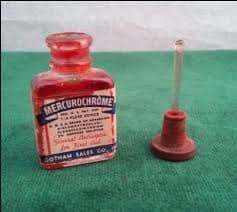
Harsh antiseptics for cuts and scrapes
Getting a cut didn’t mean gentle care. It often meant applying strong antiseptics that stung intensely and made kids dread treatment almost as much as the injury itself.
Comfort wasn’t the priority—killing germs was. Today’s gentler treatments feel like a major upgrade compared to those harsh solutions.
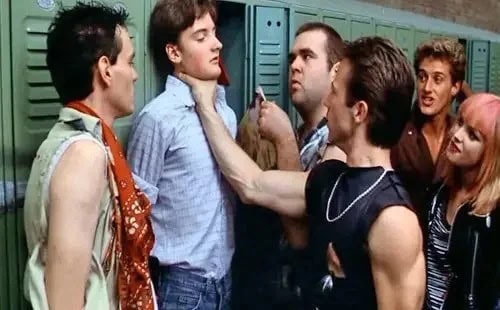
Dealing with bullies in real life
There were no online tools to block or report someone. If you had a problem with a bully, you had to deal with it in person.
It made childhood more challenging in some ways, but also more direct. Conflict wasn’t avoidable—it had to be faced and handled.
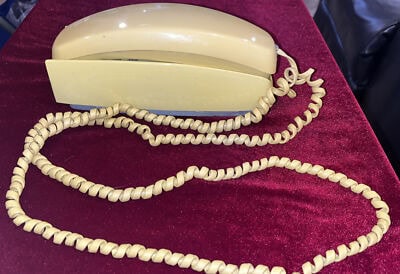
Rotary phones with long tangled cords
Making a phone call wasn’t instant—it required patience. You had to dial each number by rotating a dial and waiting for it to return before moving to the next digit. If you made a mistake, you had to start all over again.
Phones were usually attached to the wall, often in the kitchen, with long cords that stretched across the room. Privacy was rare, and conversations were often overheard by whoever happened to be nearby.
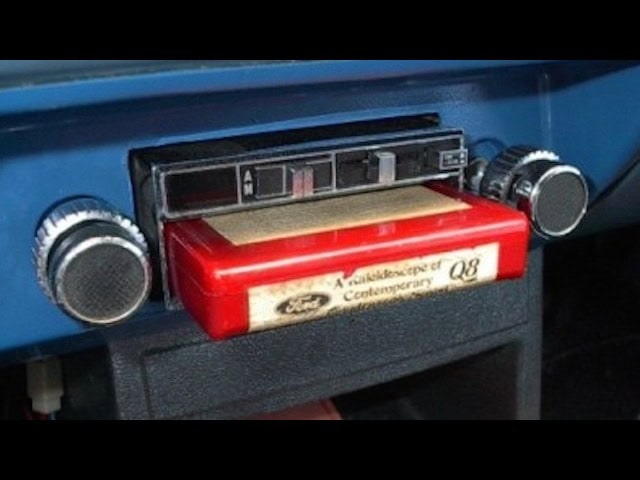
Eight-track tapes that interrupted songs
Music didn’t play smoothly from start to finish. Eight-track tapes would suddenly switch tracks in the middle of a song with a loud, noticeable “click,” breaking the flow completely.
Despite this, they were incredibly popular, especially in cars. People accepted the interruptions because it was one of the few ways to listen to music on the go.
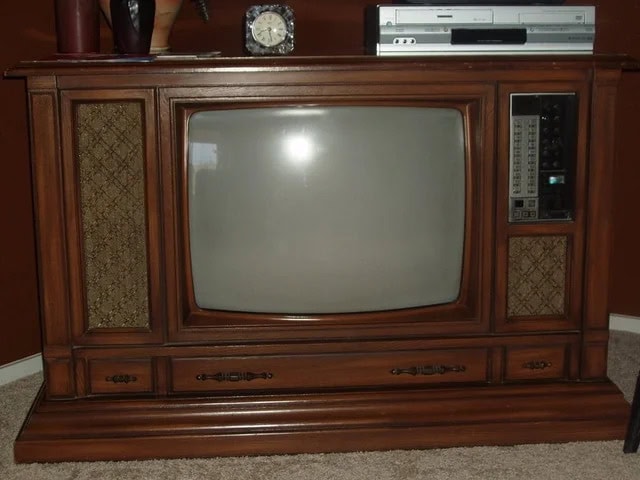
Massive wooden console TVs
Televisions weren’t sleek or portable—they were large, heavy pieces of furniture built into wooden cabinets. They took up significant space in living rooms and were often a central feature of the home.
There were no remotes, so changing the channel meant physically getting up and turning a dial. Watching TV was more intentional, and channel surfing wasn’t nearly as easy as it is today.

Waiting days to see your photos
Taking a picture didn’t guarantee anything. You had to wait days—or even weeks—for film to be developed before you could see the results.
Sometimes, the photos didn’t turn out at all, and there was no way to fix it. That delay made photography feel more uncertain, but also more meaningful.
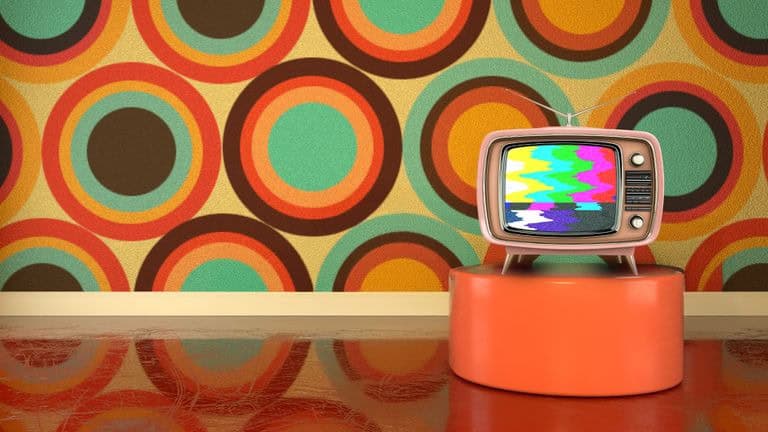
Only a handful of TV channels
There were only a few channels available, and they followed strict schedules. If nothing interesting was on, you simply turned the TV off.
This limitation meant people spent less time watching and more time doing other activities, unlike today’s endless streaming options.
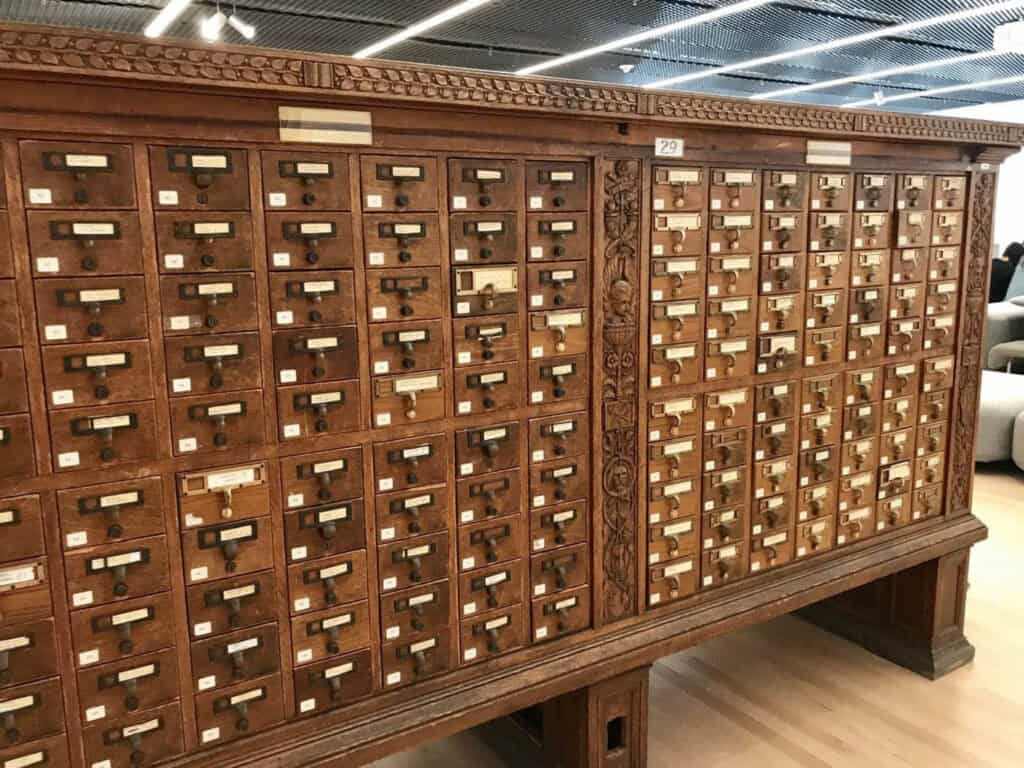
Library card catalogs instead of search engines
Finding information required effort. You had to search through drawers filled with index cards, each one pointing to a specific book.
It was a slower process that demanded patience, but it also taught people how to navigate information in a more deliberate way.

Encyclopedias as the only “Google”
If you had a question, your best option was a set of encyclopedias. These books contained a wide range of information, but they weren’t always up to date.
There was no instant search or quick answer. You had to look things up manually, often flipping through multiple volumes to find what you needed.
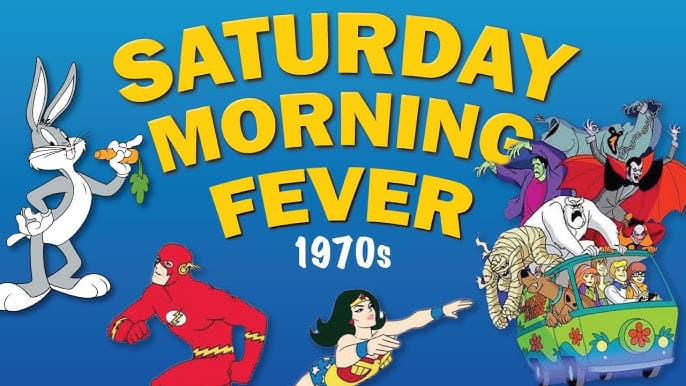
Waiting all week for Saturday morning cartoons
Cartoons weren’t available whenever you wanted. Kids had to wait all week for a specific time slot on Saturday mornings.
That anticipation made those few hours feel special. Missing them meant waiting another entire week.
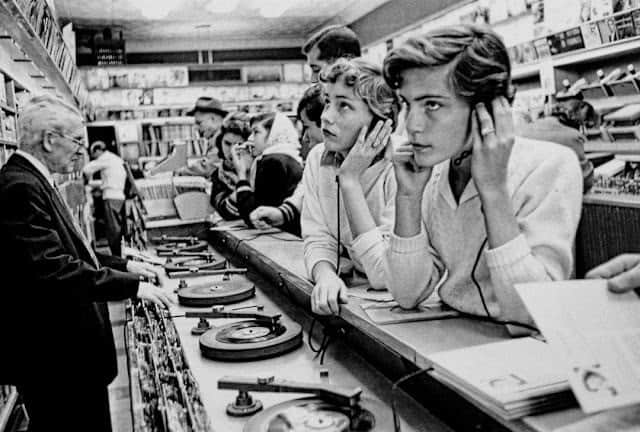
Record stores and physical music browsing
Discovering music meant going to a store and physically flipping through records. You couldn’t just search for a song—you had to explore.
This created a more intentional connection with music, where people spent time discovering artists and albums in a hands-on way.
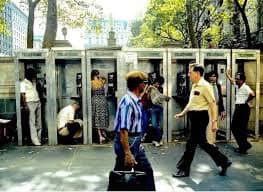
Phone booths for public calls
If you needed to make a call while out, you had to find a phone booth and have coins ready. There was no backup if you didn’t.
Missed calls were common, and communication required planning. Today’s constant connectivity makes this feel almost unimaginable.
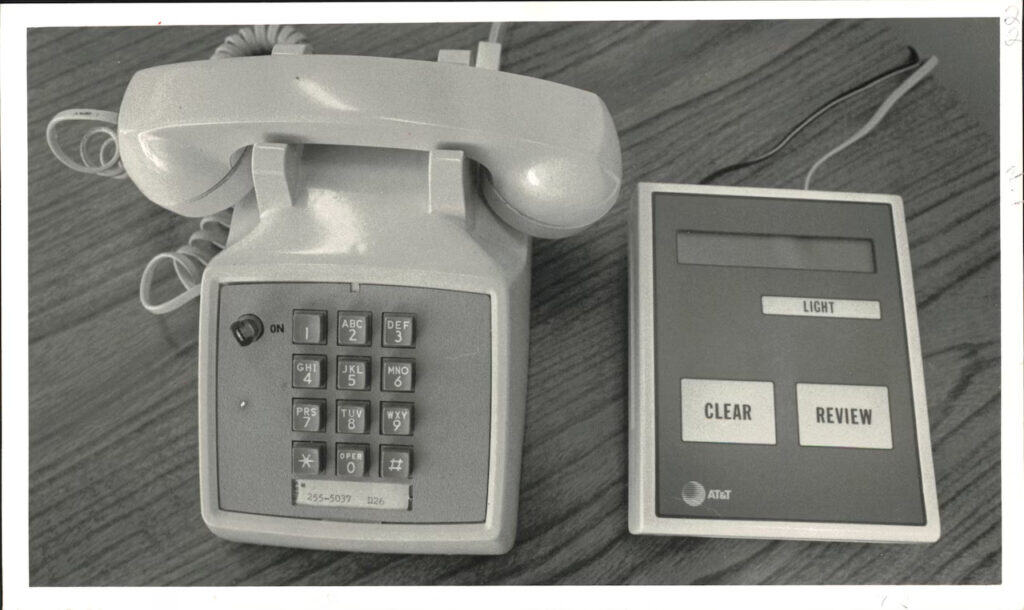
No caller ID—every call was a mystery
When the phone rang, you had no idea who was on the other end. It could be a friend, a relative, or someone you didn’t want to talk to—you wouldn’t know until you picked up.
This made every call a small gamble. Today, we screen calls constantly, but back then, answering the phone was the only way to find out.
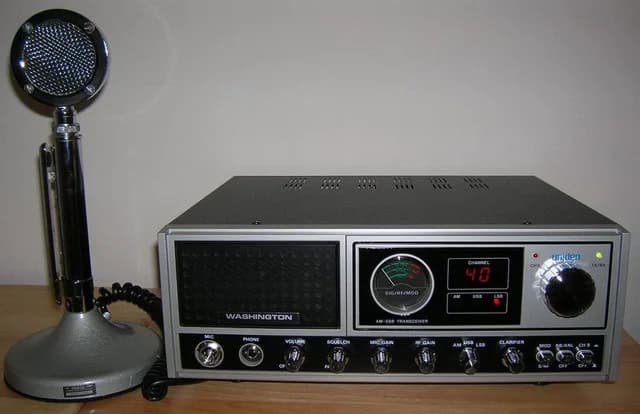
CB radios as early “chat rooms”
CB radios allowed people to communicate with strangers over radio frequencies, especially popular among truck drivers and hobbyists. Users even had nicknames, known as “handles.”
It was one of the earliest forms of real-time, anonymous communication. In many ways, it was a precursor to modern online chat—just without the internet.

Typewriters and messy corrections
Typing wasn’t forgiving. If you made a mistake, you had to fix it with correction fluid or start over completely.
This made writing a much more deliberate process. Every word mattered, and editing required time, patience, and sometimes frustration.
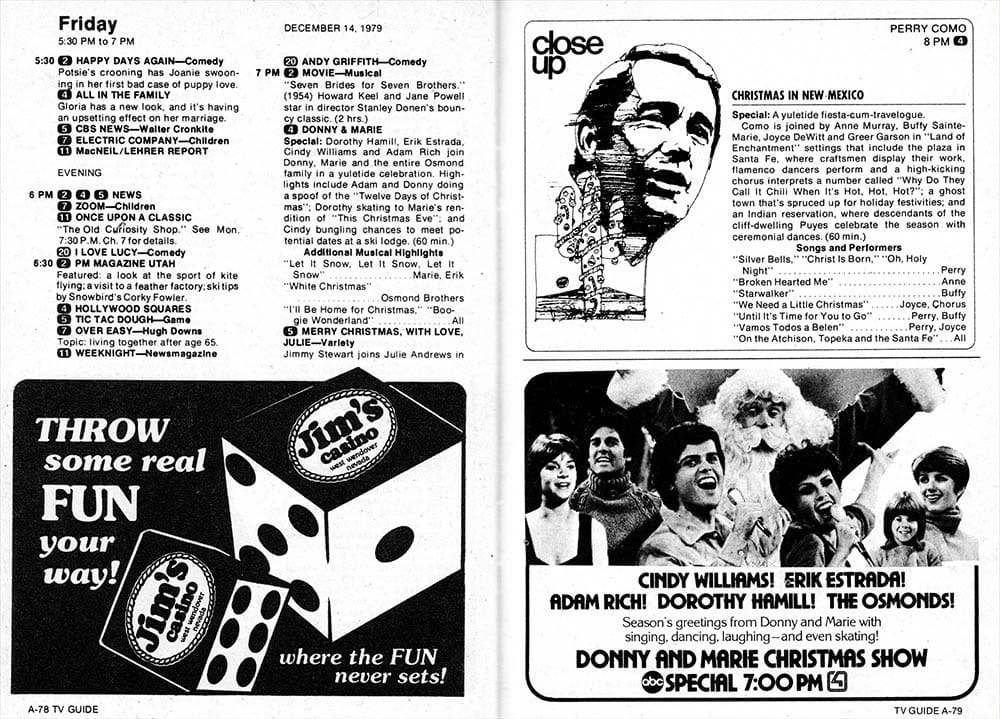
TV Guide as your only schedule
If you wanted to know what was on TV, you needed a printed TV Guide. It listed schedules for all channels, and most households relied on it.
Without it, you were left guessing. Today’s instant program guides make it hard to imagine planning your viewing around a magazine.
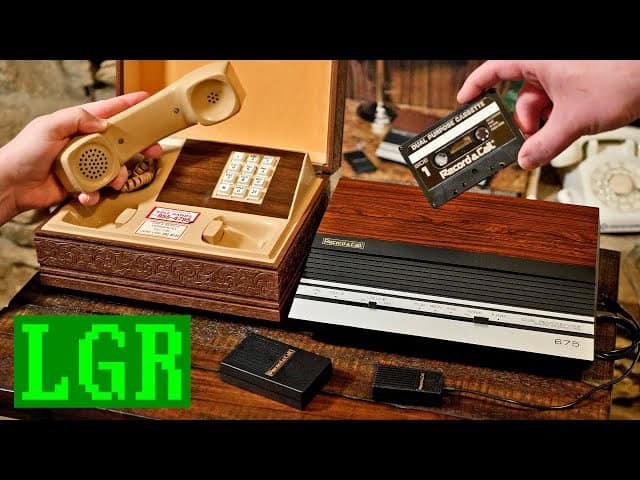
Cassette answering machines
Missed calls didn’t just disappear—they were recorded on cassette tapes. You had to press play and often rewind to hear messages again.
Over time, tapes would fill up or get messy, and messages could easily be lost. It was far from the seamless voicemail systems we have today.
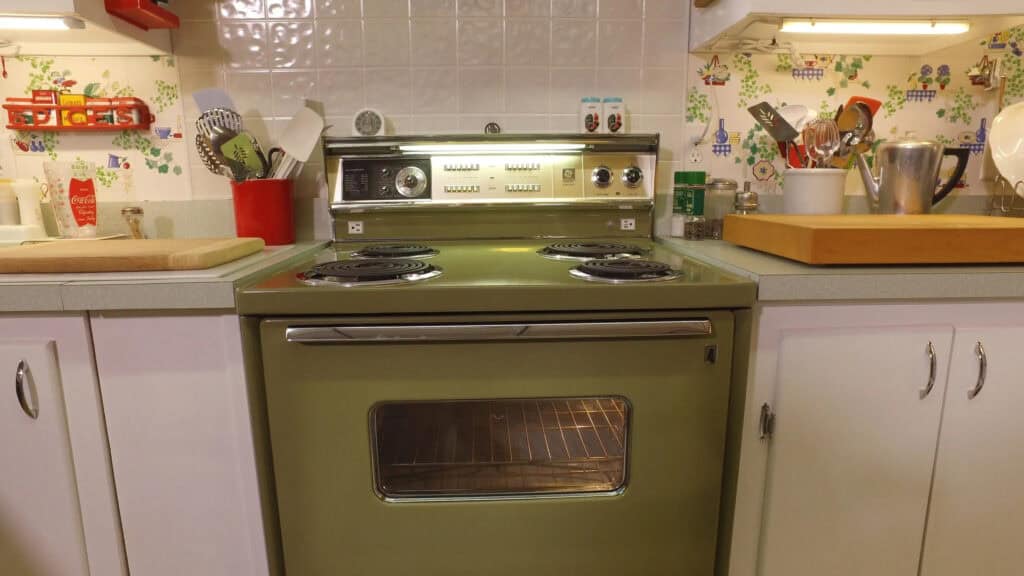
Avocado green kitchen appliances
Kitchens in the 70s were anything but neutral. Appliances often came in bold colors like avocado green, making the entire space feel vibrant and distinctive.
While it was stylish at the time, today it feels dated and unusual. Modern kitchens tend to favor minimalism, making this bold design choice stand out even more.

Harvest gold bathrooms
Bathrooms weren’t just functional—they followed strong color themes. Everything from the sink to the bathtub could be the same shade of yellow or gold.
This created a very unified look, but by today’s standards, it can feel overwhelming and outdated.
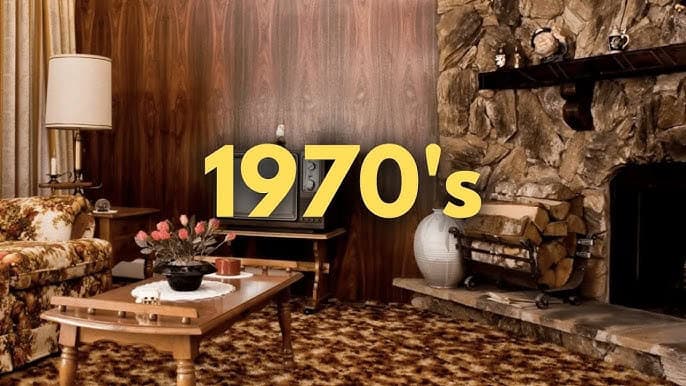
Wood paneling on every wall
Walls were often covered in dark wood paneling, giving rooms a heavy, enclosed feel. It was seen as cozy and stylish during the time.
Today, it can make spaces feel smaller and darker, which is why most homes have moved away from this design trend.

Popcorn ceilings
Textured ceilings were extremely common, known for their bumpy appearance. They were used for both aesthetic and practical reasons.
However, they collected dust and were difficult to clean, making them far less appealing by modern standards.

Beaded curtains in doorways
Instead of doors, some homes used hanging bead curtains to separate spaces. They added a decorative, slightly bohemian touch.
While visually interesting, they weren’t very practical for privacy or noise control—something that matters much more in homes today.
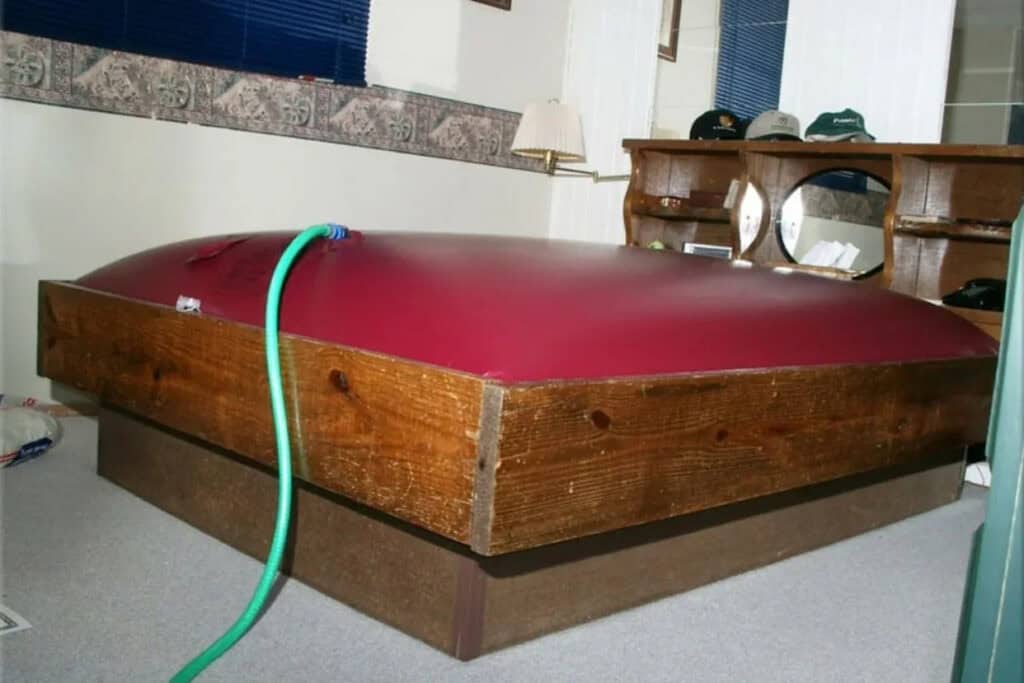
Waterbeds that could leak at any moment
Waterbeds were seen as modern and luxurious, offering a unique, wave-like sleeping experience. They quickly became a popular trend in many homes.
But they came with a major downside—leaks. A small puncture could turn into a huge mess, damaging floors and furniture. What seemed innovative often turned into a headache.
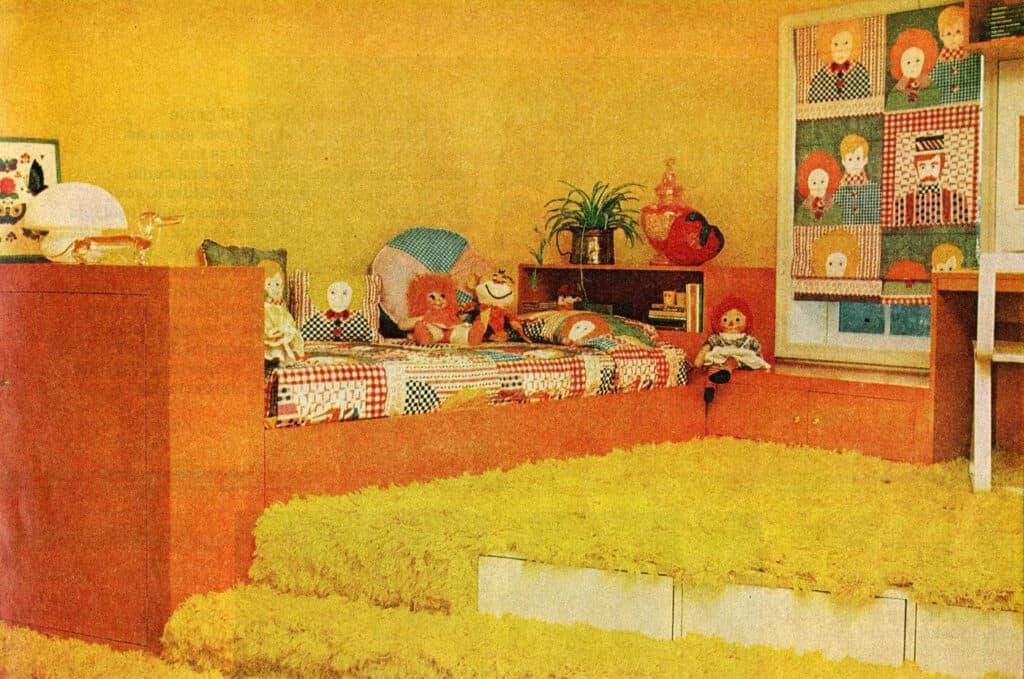
Shag carpeting everywhere
Floors were covered in thick, fluffy shag carpets that felt soft underfoot. They added warmth and texture to living spaces and were considered very stylish.
However, they were incredibly difficult to clean. Dirt, dust, and crumbs would get trapped deep inside, making maintenance a constant challenge.
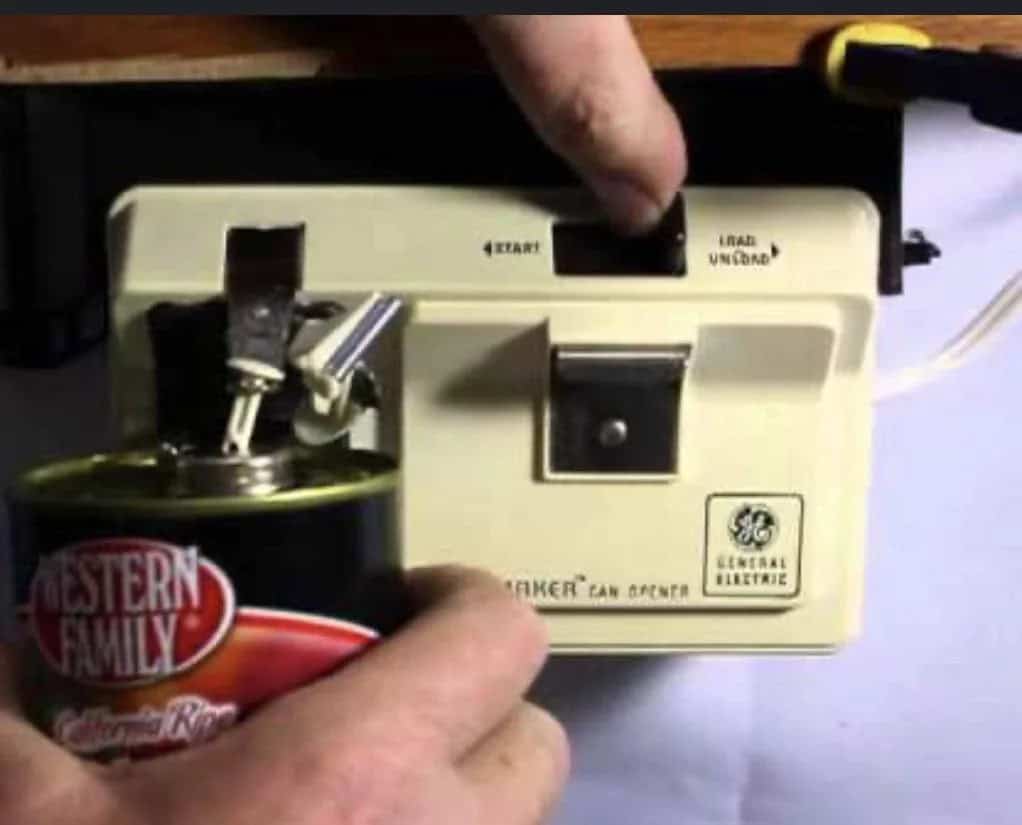
Electric can openers mounted under cabinets
Convenience was evolving, but in a bulky way. Electric can openers were often permanently mounted under kitchen cabinets, taking up space but saving effort.
While they were useful, they also reflected a time when appliances were larger and less streamlined than today’s sleek designs.
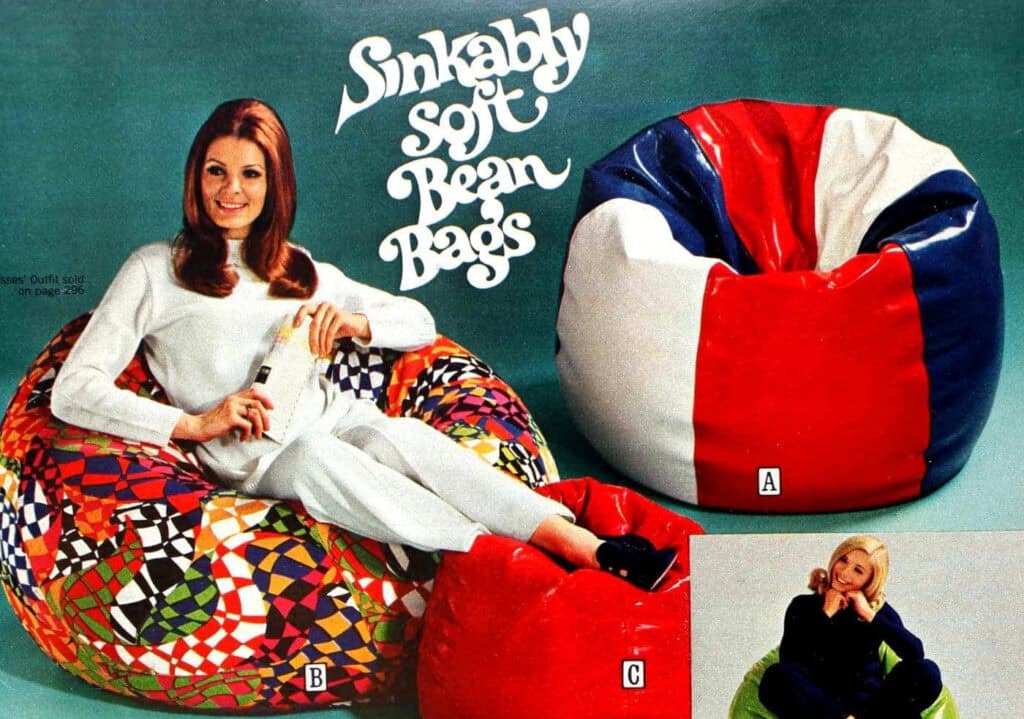
Bean bag chairs as everyday furniture
Bean bag chairs became a symbol of relaxed, casual living. They were soft, flexible, and fun to sit in, especially for kids and teenagers.
But they didn’t offer much support, and getting out of them wasn’t always easy. Comfort came at the cost of practicality.
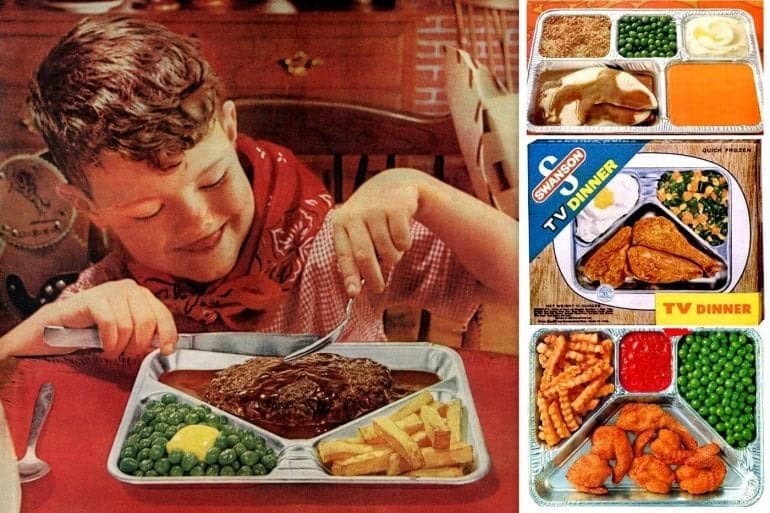
TV dinners heated in the oven
Frozen meals existed, but they weren’t quick. TV dinners had to be heated in a conventional oven, which took significantly longer than today’s microwave meals.
They were still considered convenient at the time, showing how expectations around speed and efficiency have changed dramatically.
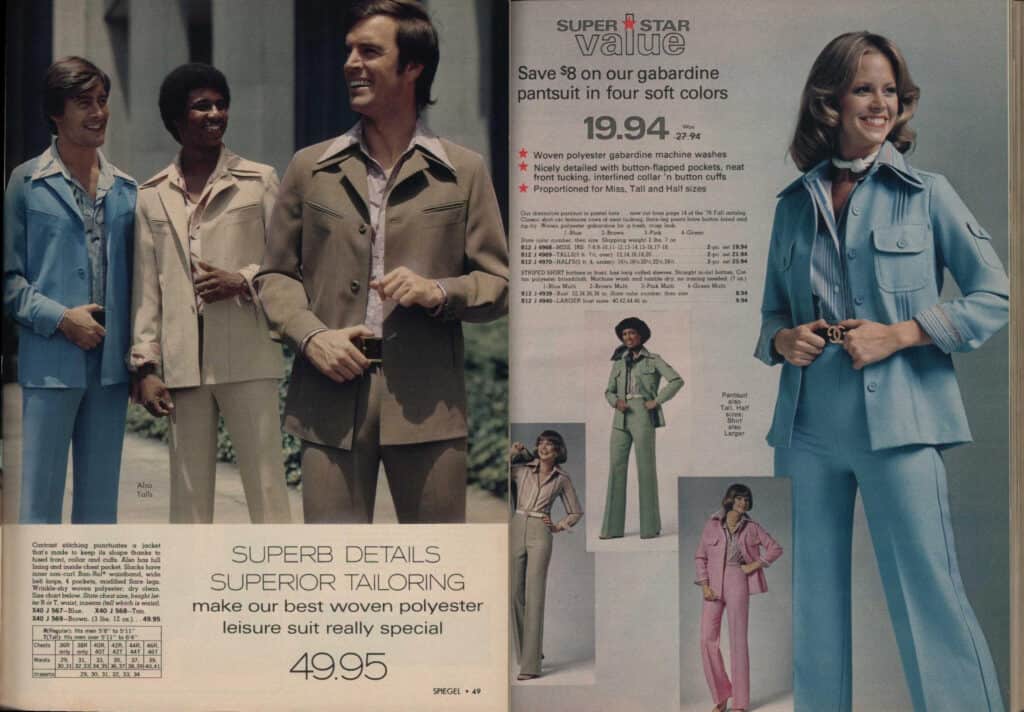
Polyester leisure suits
Polyester suits were shiny, tight, and often brightly colored. They became a defining fashion statement, especially for men.
While they looked stylish at the time, they weren’t very comfortable. The material trapped heat, making them less practical than they appeared.
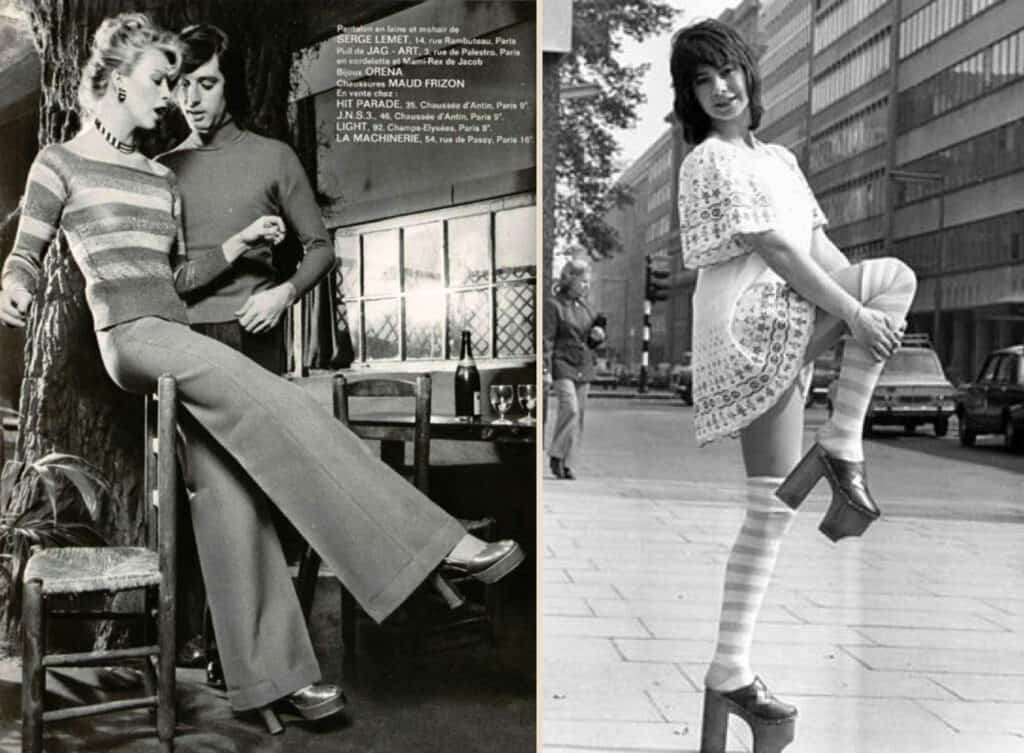
Platform shoes for everyone
Platform shoes added height and drama to outfits for both men and women. They were bold, eye-catching, and extremely popular.
However, they were also difficult to walk in and easy to trip over. Fashion often came before comfort and safety.
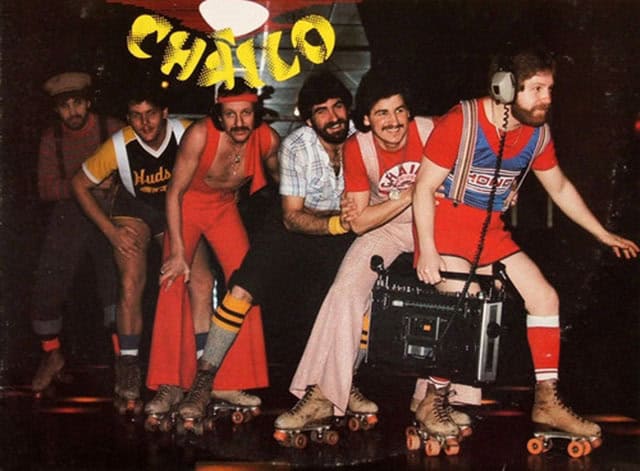
Disco roller rinks full of energy
Roller rinks combined skating with disco music, flashing lights, and crowded dance floors. It was a lively, high-energy social scene.
The mix of speed, music, and people often made it chaotic—but that was part of the appeal. It was an experience unlike anything today.
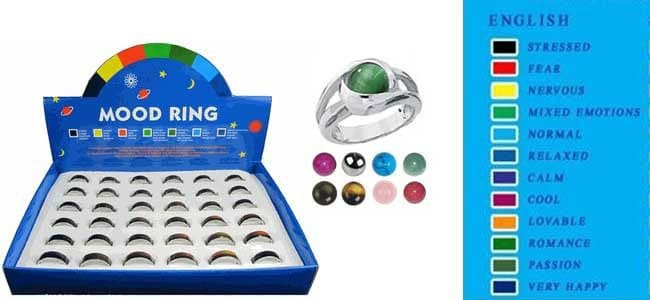
Mood rings that claimed to read emotions
Mood rings changed color based on temperature, but they were marketed as tools that could reveal your emotions.
People were fascinated by them, even though the science behind them was questionable. It was more about fun than accuracy.
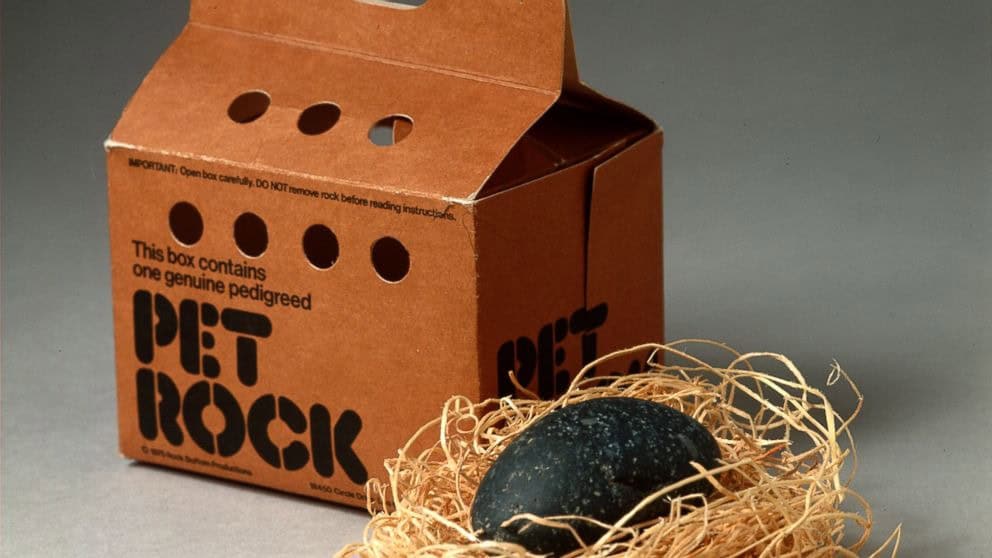
Pet rocks as a real trend
One of the strangest trends of the decade was the pet rock—a literal rock sold as a novelty “pet.”
Despite how simple it was, it became wildly popular. It showed how creativity and humor could turn even the most ordinary object into a cultural phenomenon.

Feathered hairstyles that required effort
Hair in the 70s was big, styled, and carefully shaped. Feathered hairstyles, in particular, required time, products, and regular maintenance to achieve that iconic look.
It wasn’t something you could throw together quickly. Compared to today’s more effortless styles, this level of upkeep feels like a serious commitment.
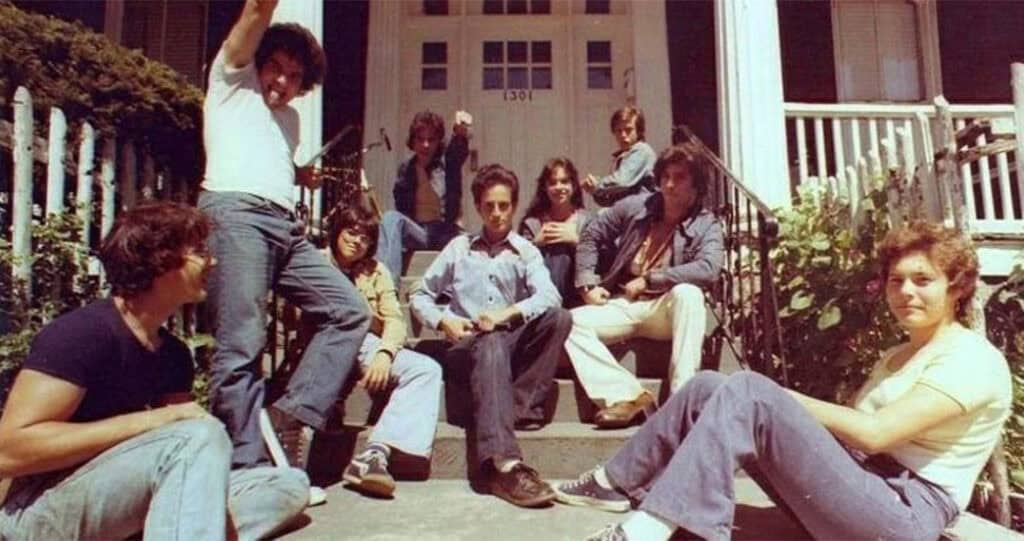
Bell-bottom pants everywhere
Bell-bottoms were tight at the top and dramatically wide at the bottom, creating a very distinct silhouette. They became one of the most recognizable fashion trends of the decade.
While they looked stylish, they weren’t always practical—especially in bad weather or crowded spaces. Still, they defined the era.
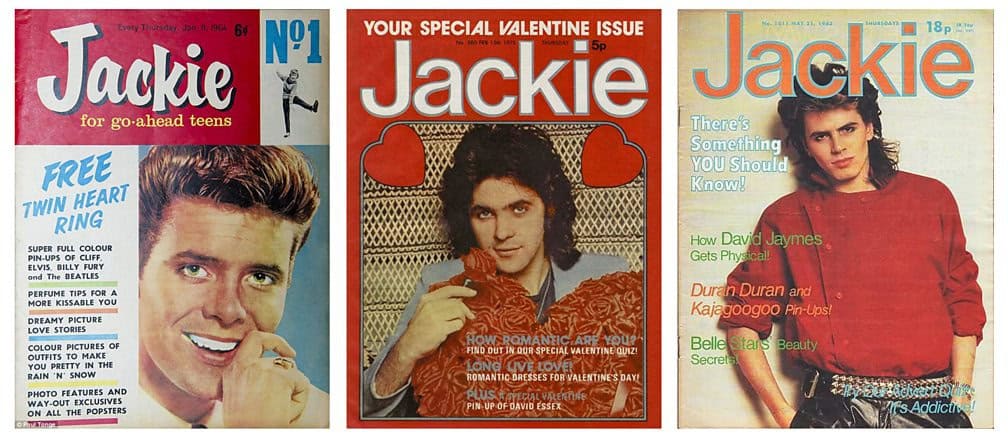
Teen magazines as the main source of celebrity news
Before social media, fans followed celebrities through magazines. Publications like Tiger Beat were filled with photos, interviews, and posters.
There was no instant access to updates. Fans had to wait for the next issue, making celebrity culture slower but more anticipated.
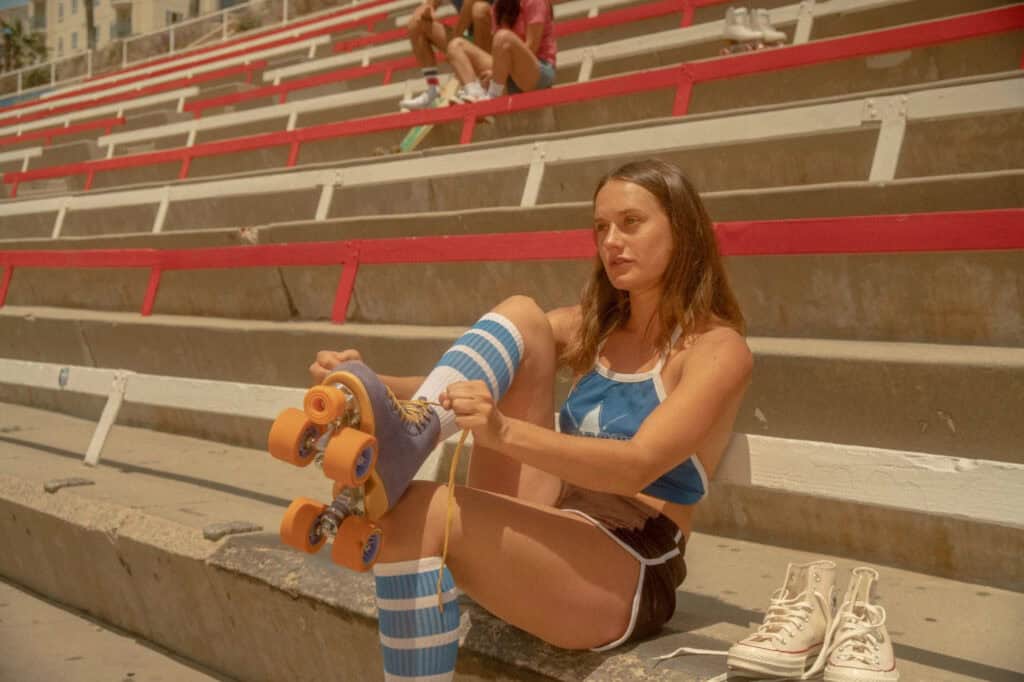
Tube socks worn with everything
Tube socks, often with colorful stripes at the top, were worn with almost any outfit. They became a signature part of casual fashion.
While simple, they stood out and completed the look. Today, they’re more of a retro throwback than an everyday staple.

Clackers—the toy that bruised everyone
Clackers consisted of two hard balls attached to a string that you would swing to make them collide. The goal was to keep them hitting each other rhythmically.
But they could easily slip and hit your hand or wrist, causing bruises. Despite the risk, they were wildly popular among kids.
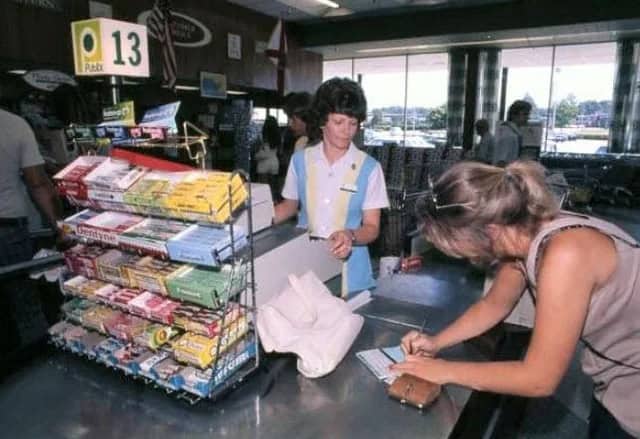
Writing checks at the grocery store
Paying for groceries often meant writing a physical check. It took time, and the cashier had to verify it before completing the transaction.
There were no instant payments or digital confirmations. Compared to today’s tap-and-go systems, the process feels slow and outdated.
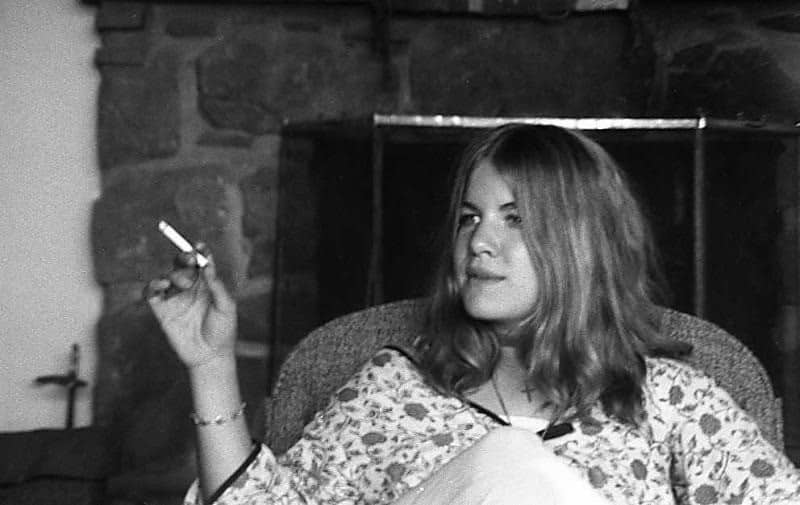
Smoking indoors almost everywhere
Smoking wasn’t restricted like it is today. People smoked in offices, restaurants, and even at home without much concern.
It was simply part of daily life. Looking back, it’s surprising how normalized it was, given what we now know about its effects.
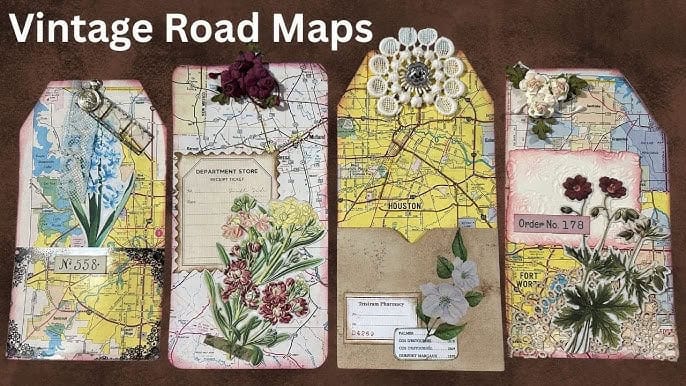
Using large paper road maps
Traveling required unfolding large paper maps and figuring out directions manually. It wasn’t always easy, and mistakes were common.
Getting lost was part of the experience. Today’s GPS systems have completely changed how we navigate the world.

Calling a friend’s house (and talking to their parents first)
You didn’t call a person—you called a household. If your friend wasn’t the one who answered, you had to speak to their parents first.
It could be awkward, but it was unavoidable. Direct communication wasn’t as simple as it is today.

Recording songs off the radio
If you wanted your favorite song, you had to record it from the radio onto a cassette tape. Timing had to be perfect.
Even then, the DJ might talk over the intro or outro, ruining the recording. It required patience—and a bit of luck.