You’re Being Played: The Subtle Tricks Behind Every Restaurant Menu
When you sit down at a restaurant and open the menu, it might seem like a straightforward list of delicious options. But behind every tempting description and eye-catching layout lies a world of psychological strategy. Menus are meticulously designed not just to inform, but to subtly steer your choices, nudge you toward higher-priced items, and maximize the restaurant’s profits. Most diners never notice the clever tricks at play—but these invisible tactics are as important to your dining experience as the food itself. Prepare to see restaurant menus in a whole new way.
1. The Power of Placement: Eye-Tracking Zones
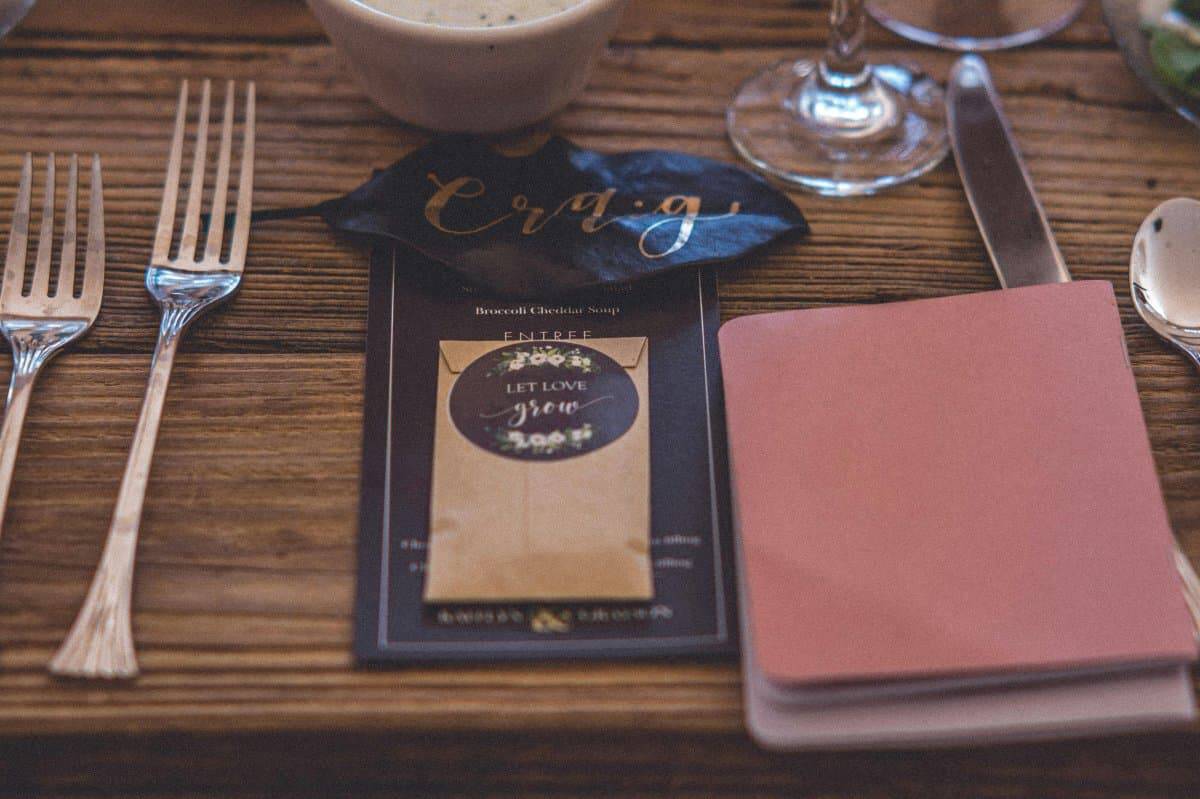
Take a closer look at any menu, and you’ll notice that certain items jump out immediately. This isn’t by accident. Menu designers use the ‘Golden Triangle’ principle, which maps out the spots where your eyes land first—usually the top right, top left, and center sections. High-profit dishes are frequently placed in these prime zones. A simple shift in layout, like moving a premium steak to the upper right, can subtly guide diners to spend more.
2. Descriptive Language: More Than Just Words
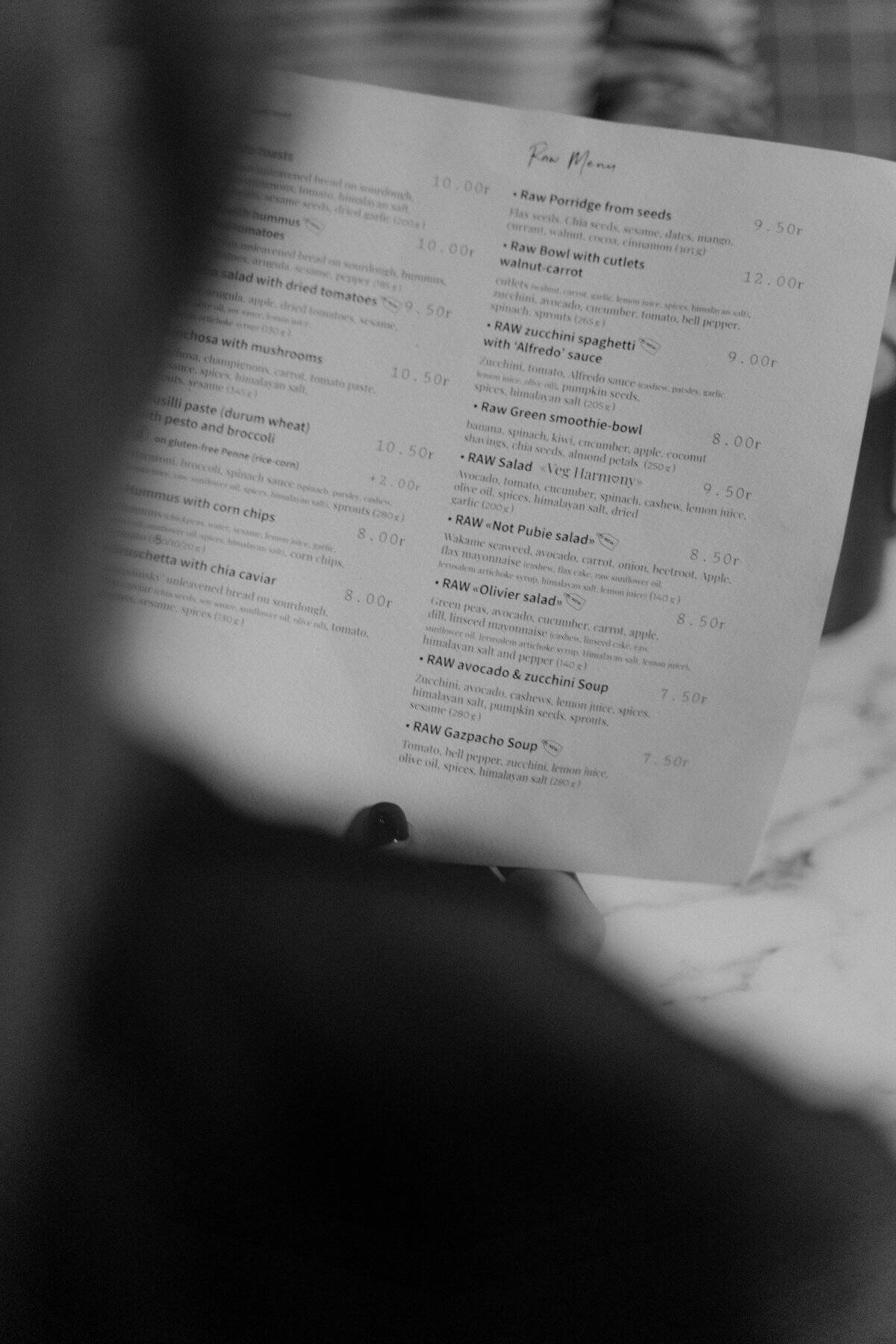
The words on a menu do more than describe a dish—they ignite your senses. Compare “chicken” to “succulent, herb-roasted chicken” or “burger” to “handcrafted Angus burger with farm-fresh toppings.” Evocative language paints a vivid picture, conjuring up aromas, textures, and flavors in your mind. This isn’t just about sounding fancy; it’s about evoking emotion and appetite. The right words can make your mouth water and nudge you toward pricier, chef-inspired choices—before you’ve even looked at the price.
3. Decoy Dishes: Setting the Stage for Spending
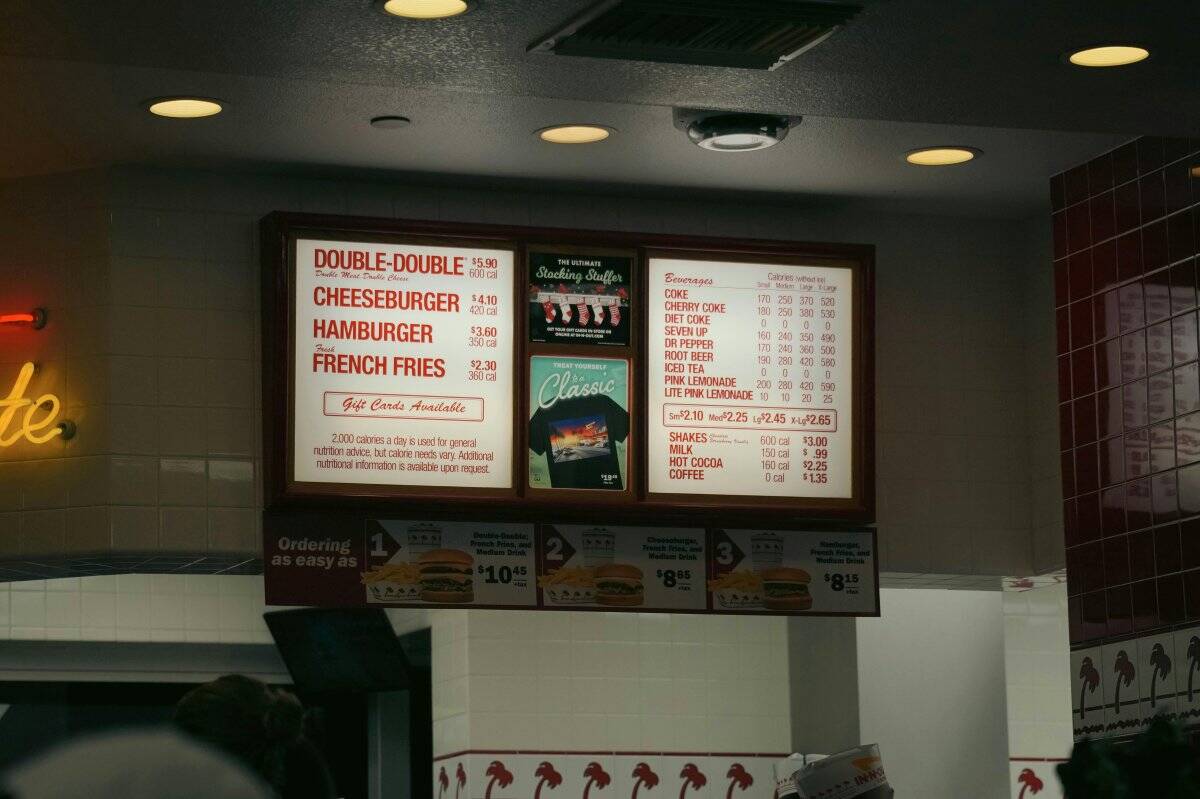
Ever notice that $80 steak on the menu? It’s probably not there to be ordered. This is the decoy effect in action—a psychological trick where a high-priced, flashy dish makes the next most expensive option seem like a bargain. By positioning ultra-pricey items at the top, restaurants nudge you toward slightly cheaper—but still high-margin—choices. For example, a $40 steak suddenly feels reasonable next to its $80 sibling. Decoy dishes set the stage, making your final selection feel smarter and more satisfying.
4. Anchoring Prices: High to Low, Not Low to High
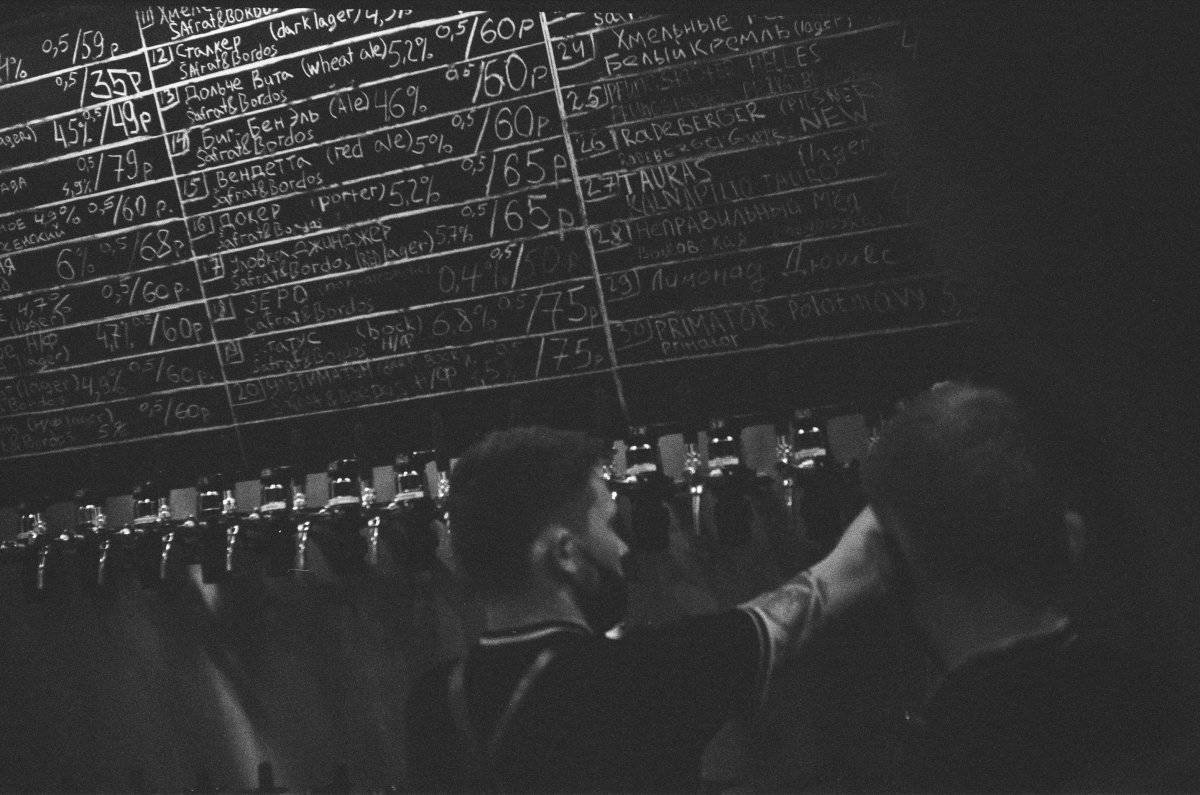
Have you ever wondered why the most expensive dishes often appear at the top of the menu? This is called price anchoring. By listing high-priced options first, restaurants set a mental benchmark. As you scan down, everything else seems more affordable in comparison. Menus that start with budget items rarely have the same effect—if you see the cheapest meal first, the rest feels costly. Leading with luxury subtly influences diners to perceive value and may even encourage splurging.
5. Omitting the Currency Symbol
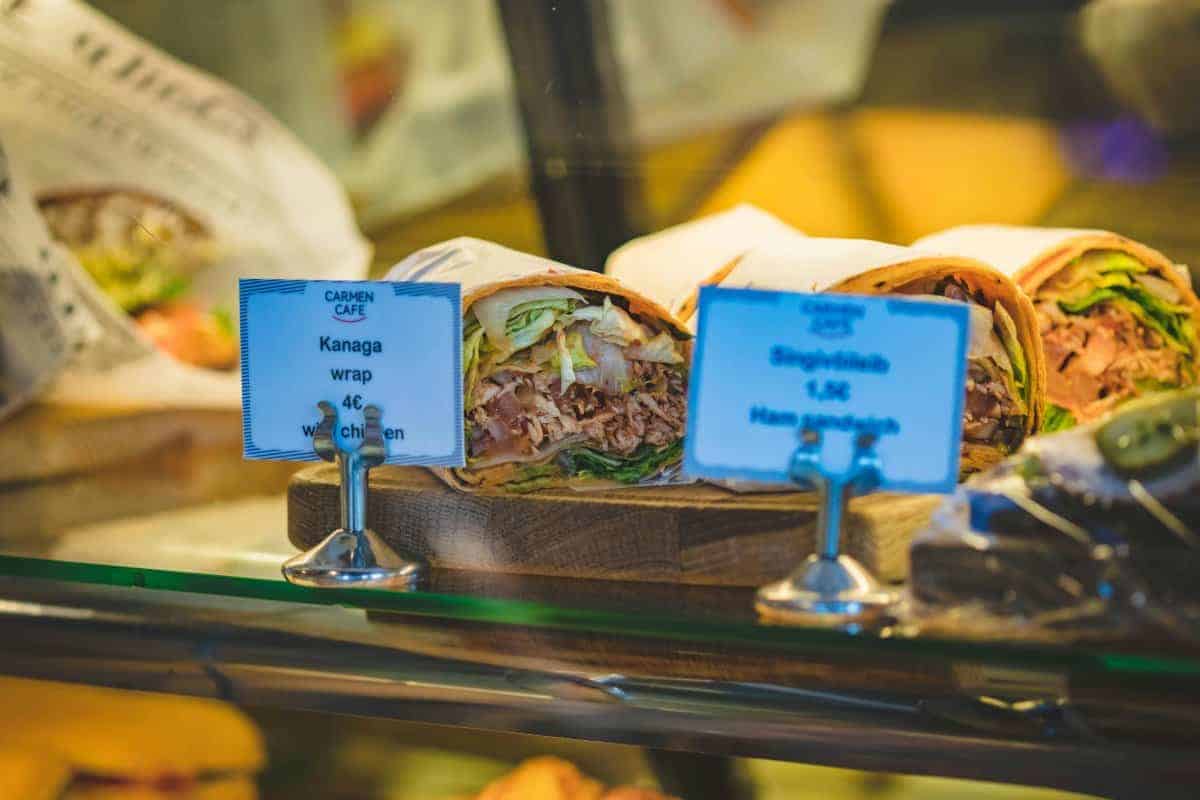
Have you ever noticed that many menus leave off the dollar sign? This is no coincidence. Removing currency symbols makes diners less aware they’re spending real money. Studies have found that guests spend significantly more when prices are listed as “14” instead of “$14.” Seeing the dollar sign triggers thoughts of cost, while its absence keeps the focus on the food. This subtle tweak helps restaurants boost sales—without you even realizing it.
6. Highlighting House Specials

Ever wonder why some dishes are framed in boxes, marked with stars, or paired with a little chef’s hat icon? These visual cues instantly draw your attention to house specials or high-margin items. Menus with bold highlights make certain choices feel exclusive or recommended, while subtle cues can still gently nudge you. Restaurants use these tactics to spotlight what they want you to order most—often dishes that are both popular and profitable. You might not notice the nudge, but your order reflects it.
7. Strategic Use of Colors
Menu designers know that color isn’t just decoration—it’s persuasion. Red is used to stimulate appetite and grab attention, while green signals freshness or healthier choices. You might notice calorie-conscious items in green boxes or indulgent desserts highlighted in warm, inviting tones. Even subtle color-coding can guide your eyes and influence what you order. By leveraging color psychology, restaurants are able to create moods, highlight specific sections, and subtly direct you toward selections that benefit their bottom line.
8. Bundling and Combo Deals
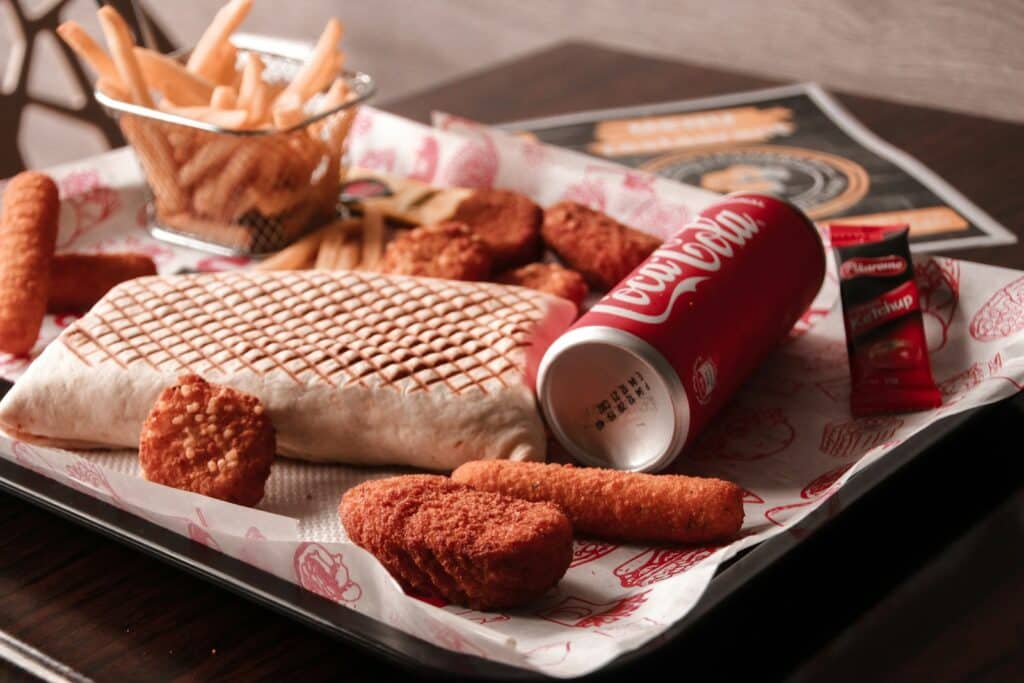
Combo meals and bundled deals are everywhere, promising more food for what seems like a better price. Bundling leverages perceived value, nudging diners to order sides or drinks they might have skipped. Compare a lone sandwich for $8 to a “combo” with fries and a drink for $11—the combo feels like a steal, even if you didn’t want the extras. These offers boost both satisfaction and restaurant profits. Diners enjoy the sense of a deal, while restaurants increase their average check size with little extra effort.
9. Limiting Choices to Avoid Overwhelm
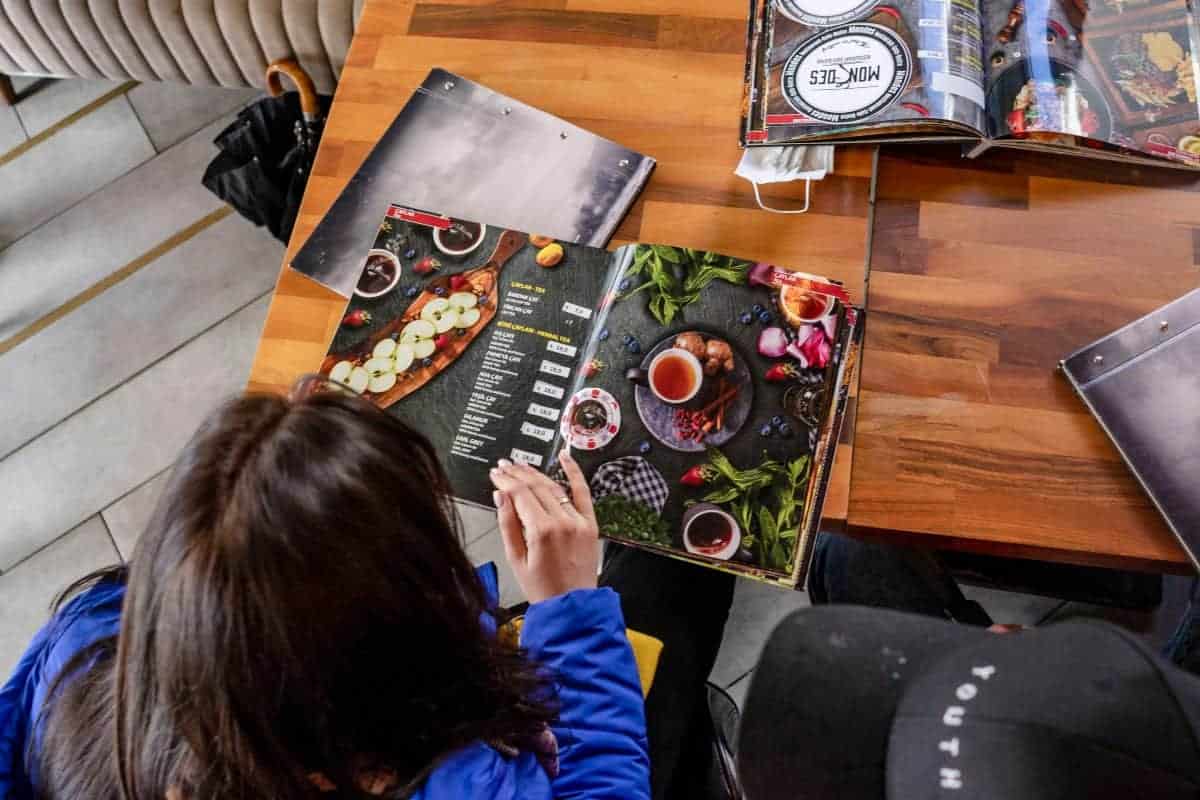
Facing a menu with dozens of options can feel overwhelming—this is known as choice overload. Savvy restaurants curate their menus, often offering fewer, carefully selected dishes. Concise menus make choosing easier and subtly guide you toward high-margin or signature items. For example, a trendy bistro with just ten main courses feels more approachable than a diner with fifty. Fewer choices not only streamline decision-making but also help restaurants steer diners toward what’s most profitable and popular.
10. Nostalgia and Cultural References

Menu items like “Grandma’s Apple Pie” or “New Orleans Jambalaya” do more than describe a dish—they evoke emotion and memory. By referencing family, places, or cherished traditions, restaurants tap into diners’ sense of comfort and nostalgia. These names make dishes feel familiar, special, and irresistibly inviting. Cultural references can transport guests to another time or place, subtly influencing them to choose a meal that feels meaningful. Ultimately, it’s another clever way menus connect on a personal—and profitable—level.
11. Upsell Triggers: Add-Ons and Customizations
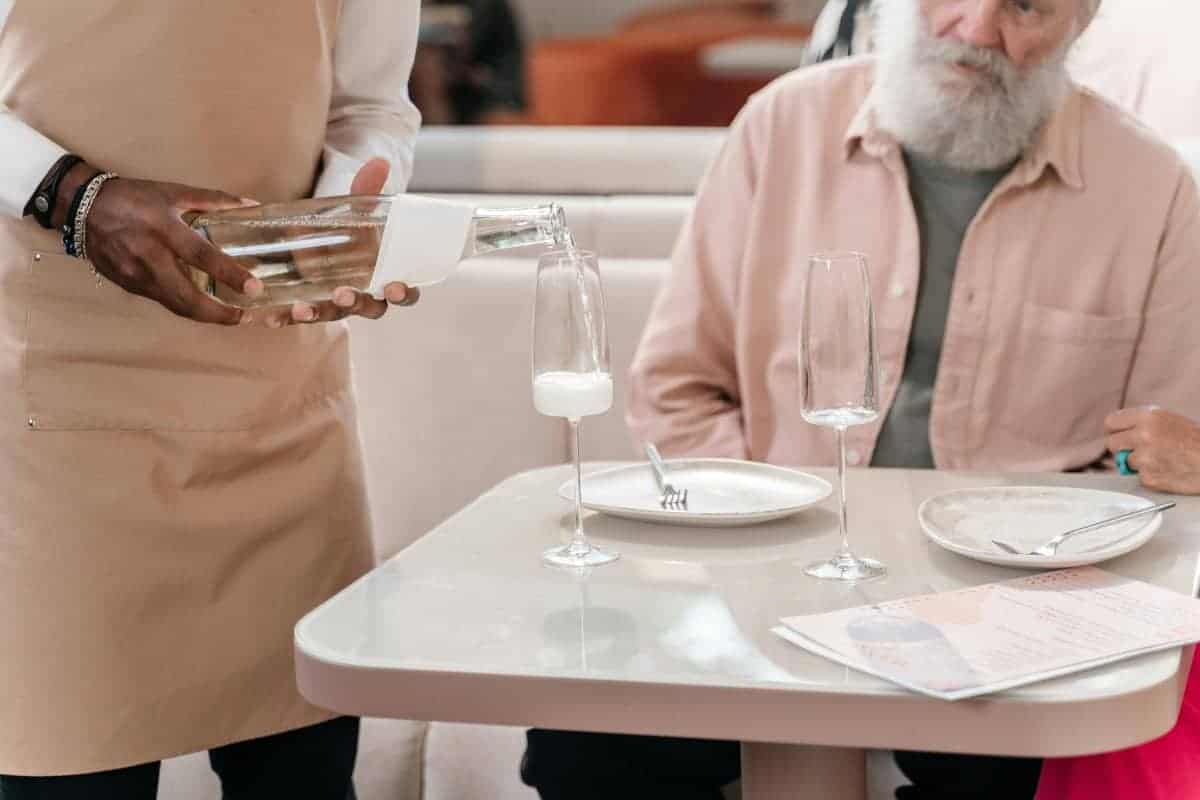
Have you noticed how menus invite you to “add avocado,” “upgrade to truffle fries,” or “choose a signature sauce”? These upsell triggers are expertly designed to boost the bill with just a few tempting words. A basic burger listing might seem modest, but with enticing customizations just below, you’re nudged to personalize your meal—for an extra cost. Small choices add up quickly, turning a simple entrée into a premium experience. It’s an effortless way for restaurants to increase revenue while giving diners a sense of control and indulgence.
Conclusion
The next time you scan a restaurant menu, remember: almost every element is crafted to shape your choices. From strategic placement and enticing language to subtle upsells and clever design, menu psychology is both prevalent and sophisticated. While these tricks are often invisible, they’re highly effective—guiding your experience and nudging you toward profitable picks. Stay mindful and savor the power of choice on your next dining adventure. Sometimes, awareness is the most satisfying ingredient on the menu.
.article-content-img img { width: 100% }