Not cool: Don’t refrigerate these 9 popular food items
When it comes to keeping food fresh, many of us instinctively head straight for the refrigerator. After all, isn’t colder always better? Surprisingly, not always. Refrigeration might seem like the safest bet for preserving freshness, but certain everyday foods actually lose flavor, texture, or nutritional value when chilled. From ripe tomatoes turning bland to bread becoming stale faster, misconceptions about refrigeration can unintentionally compromise your food’s quality. Understanding which items thrive better at room temperature can help you enjoy your food at its best. Let’s dive into nine popular foods that are best kept away from your refrigerator.
1. Tomatoes
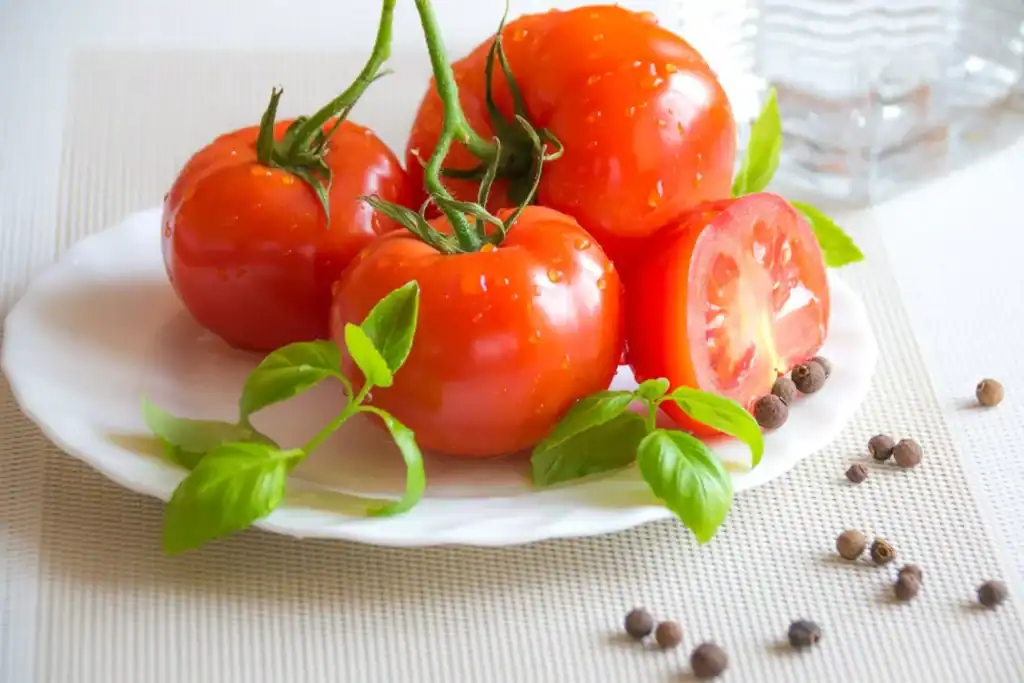
Tomatoes are among the most commonly refrigerated foods, but cold temperatures can significantly diminish their taste and texture. Storing tomatoes in the fridge disrupts their natural ripening process, causing their cell structure to break down. As a result, they become mealy, flavorless, and lose their delightful juiciness. According to research conducted by the University of Florida, chilling tomatoes interferes with enzymes responsible for flavor development. Instead, keep tomatoes at room temperature, ideally away from direct sunlight, stem-side down. This preserves their rich flavor and ensures they remain firm, ripe, and delicious for your favorite salads and sandwiches.
2. Potatoes
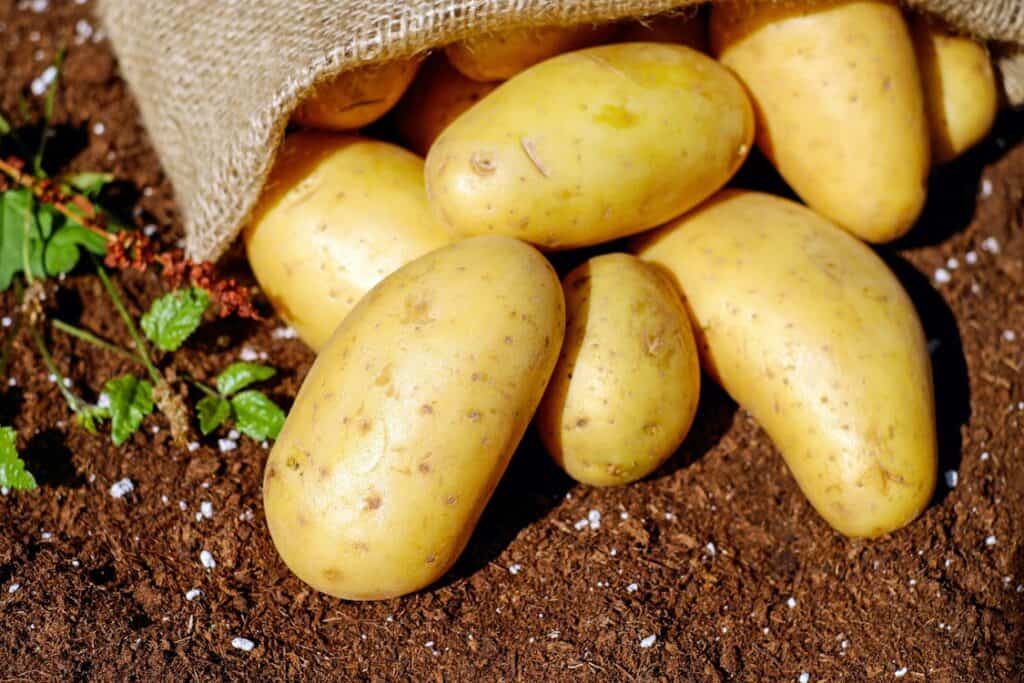
While potatoes might seem like ideal candidates for refrigeration, placing them in the fridge can negatively affect their taste and texture. Cold temperatures cause the potato’s starches to convert into sugars more rapidly, leading to a gritty texture and overly sweet flavor when cooked. This altered chemistry can also cause potatoes to darken prematurely during cooking, making your dishes less appetizing. To keep potatoes at their best, store them in a cool, dark, and well-ventilated place, such as a pantry or cellar. A breathable bag or basket is ideal, helping maintain freshness and preventing unwanted sprouting or spoilage.
3. Onions
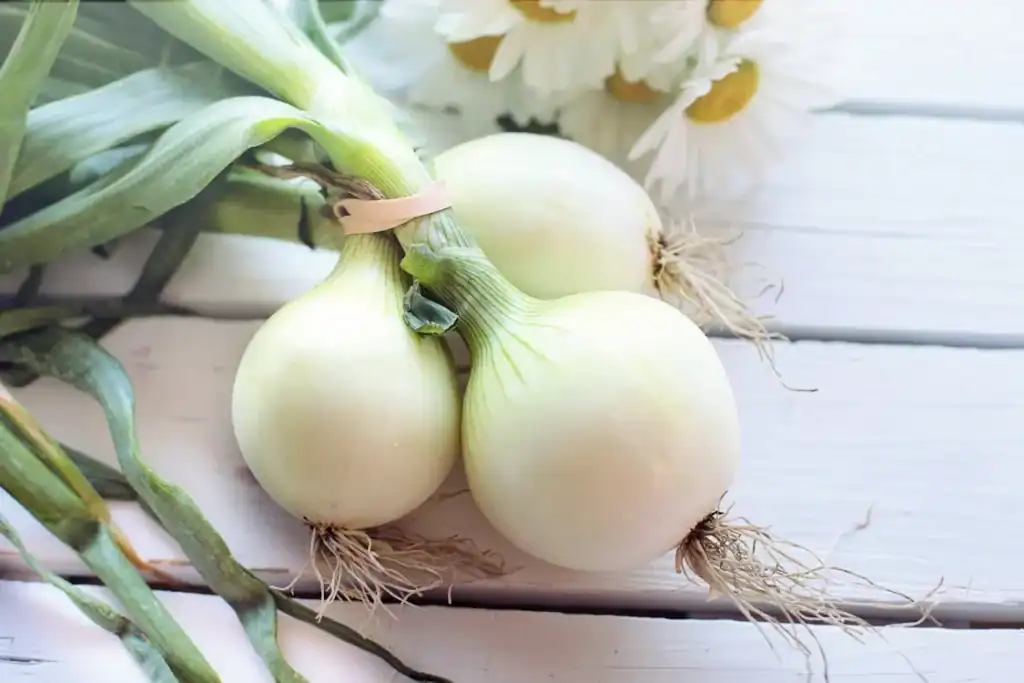
Refrigerating onions might seem logical, but it’s actually counterproductive. The humid environment inside your fridge can promote mold growth and cause onions to become soft or mushy much quicker than when stored elsewhere. Additionally, moisture accelerates spoilage, turning your crisp onions into a disappointing, slimy mess. Instead, onions prefer a dry, well-ventilated space away from direct sunlight and heat sources. A mesh bag or basket in your pantry or kitchen cabinet is ideal. Properly stored onions can retain their freshness and flavor for weeks, ensuring they’re ready to enhance your favorite recipes whenever you need them.
4. Honey

Honey is renowned for its naturally long shelf-life, thanks to its unique chemical composition and low moisture content. However, refrigerating honey might shorten its usability by causing it to crystallize rapidly. This crystallization makes honey thick, grainy, and difficult to pour or spread, compromising both its texture and convenience. Fortunately, honey thrives at room temperature. Its natural antimicrobial properties prevent spoilage, allowing it to remain delicious and safe to consume indefinitely when stored properly. Simply keep honey sealed in a cool, dry place away from direct sunlight, and you’ll always have smooth, golden sweetness ready to drizzle over your favorite dishes.
5. Bread
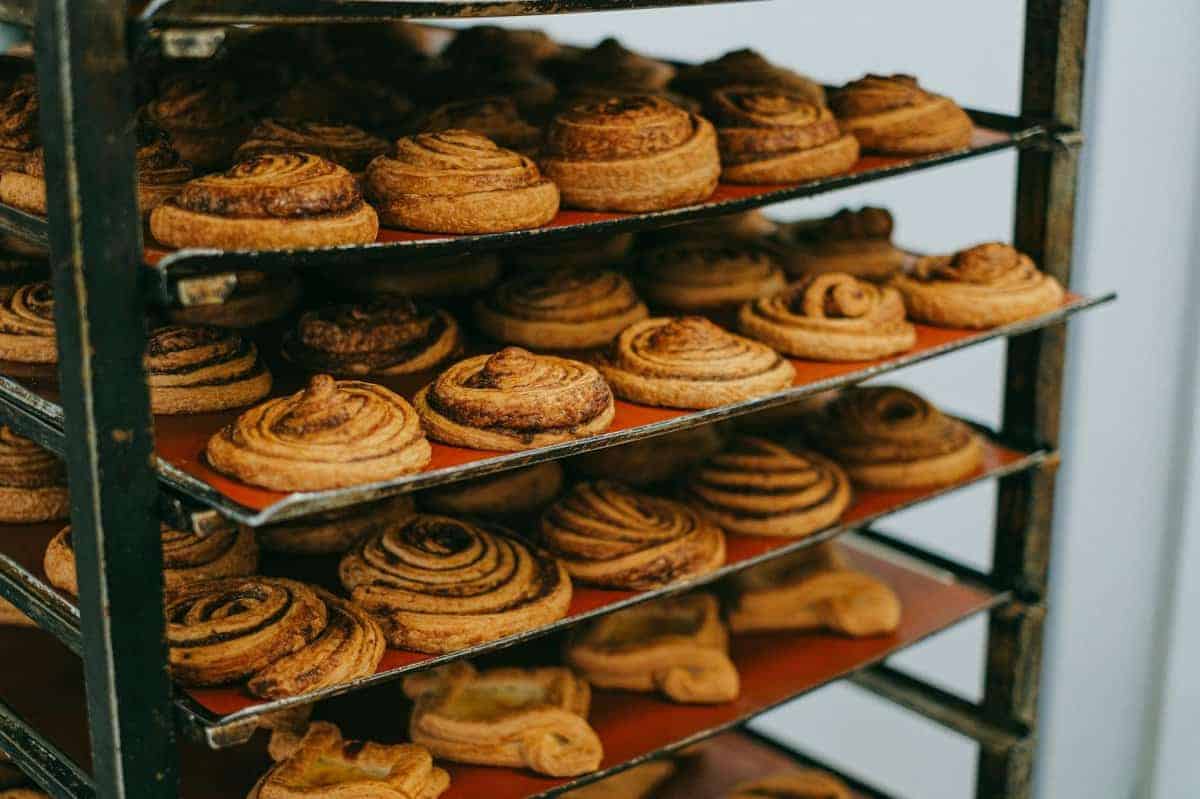
Storing bread in the refrigerator might seem like a smart way to prolong its freshness, but it can actually do the opposite. Cold temperatures speed up the process known as starch retrogradation, causing bread to become stale and dry much faster. This results in a chewy, unappetizing texture and diminished flavor. Instead, keep your bread in a breadbox or sealed container at room temperature, away from direct sunlight. If you have more bread than you can consume before it goes stale, freezing is the best option. Properly wrapped and frozen bread retains its freshness and original texture until you’re ready to enjoy it.
6. Garlic
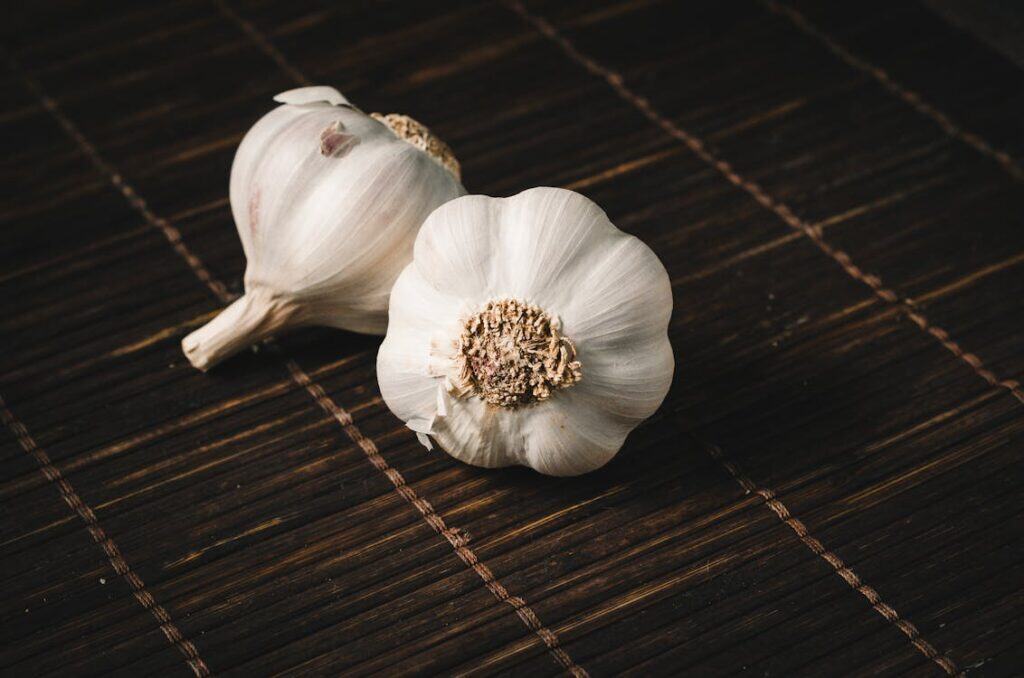
Refrigerating garlic might seem like a good idea, but it often leads to unwelcome surprises. The humid conditions inside your fridge encourage garlic cloves to sprout, become rubbery, or even develop mold. Humidity and cold temperatures break down garlic’s natural structure, causing it to lose its characteristic flavor and pungency. Instead, garlic prefers dry, cool, and well-ventilated spaces. Store whole garlic bulbs in a mesh bag or open basket in your pantry, away from direct sunlight and humidity. Properly stored, garlic remains flavorful and firm, ready to lend its delicious aroma and intense taste to your favorite dishes.
7. Coffee
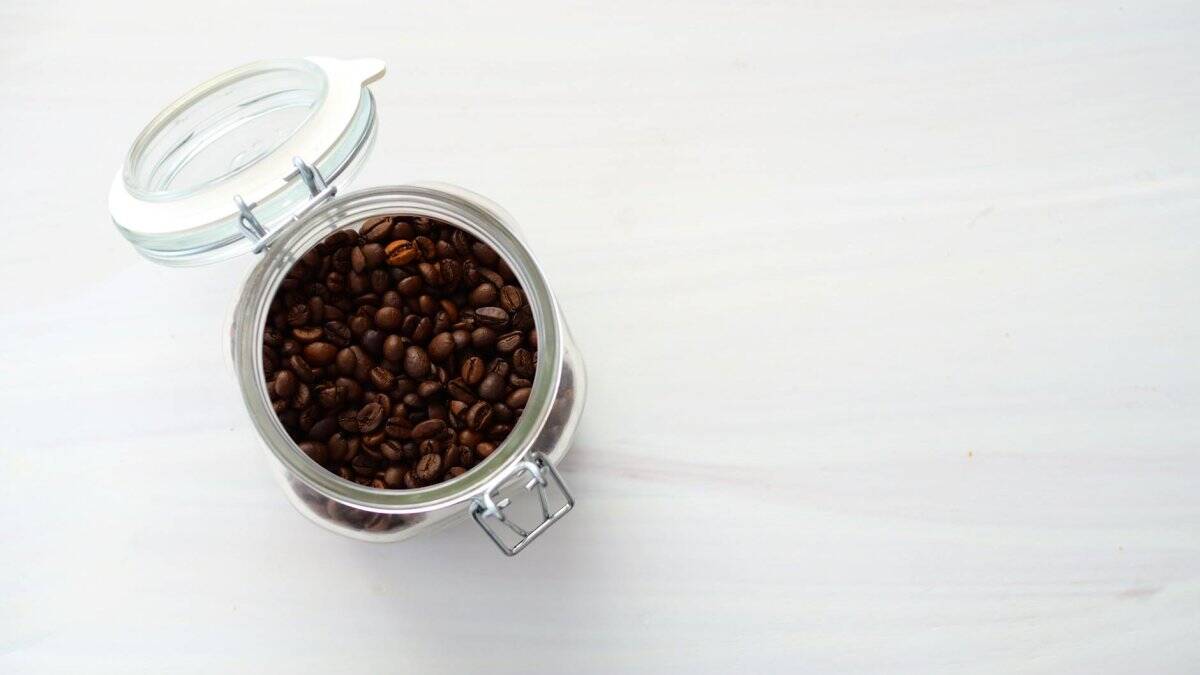
Storing coffee in the refrigerator might seem like a sensible way to preserve freshness, but it can actually do more harm than good. Coffee beans and grounds are highly absorbent, readily soaking up odors and moisture found in your fridge. This can drastically alter their flavor profile, resulting in a less aromatic, stale-tasting brew. To savor coffee at its finest, store it in an airtight container placed in a cool, dry, and dark location, such as a pantry or cupboard. Proper storage ensures your coffee remains delightfully flavorful and aromatic, making every cup taste freshly brewed.
8. Avocados
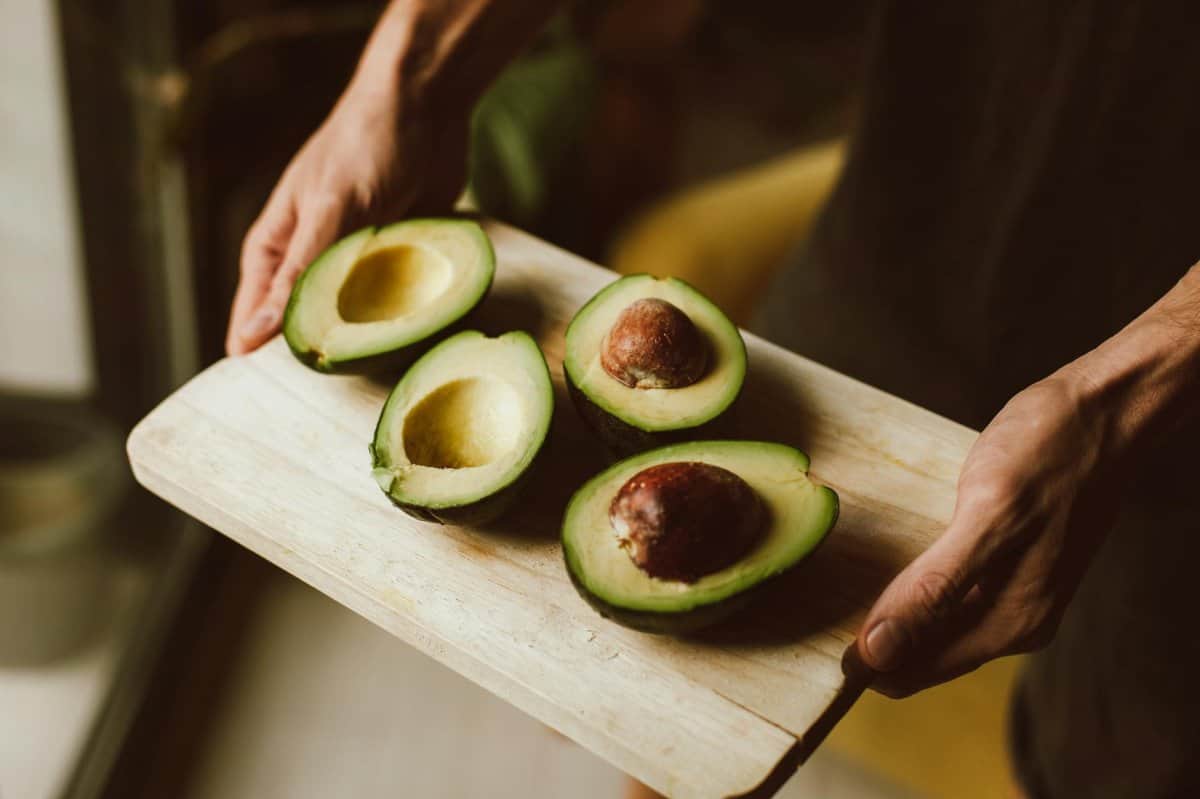
Refrigerating avocados too early can interrupt their natural ripening process, leaving them hard and flavorless. The cold environment slows down the enzymes responsible for developing their creamy texture and rich, buttery flavor, causing avocados to remain stubbornly unripe. Instead, store unripe avocados at room temperature on your kitchen counter until they yield gently to pressure. To speed up ripening, place them in a paper bag alongside bananas or apples, which naturally release ethylene gas. Once ripe, you can refrigerate avocados to maintain their perfect condition for a few days, but remember they’re best enjoyed fresh and at room temperature.
9. Basil
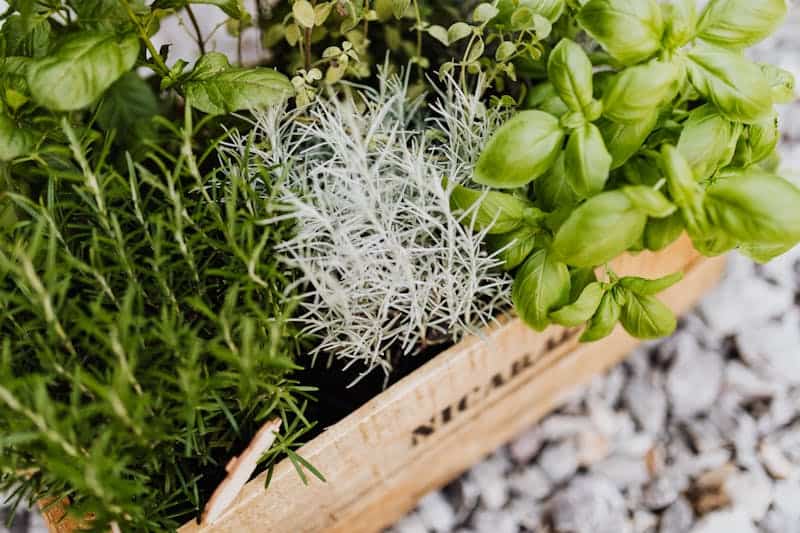
Basil, with its delicate leaves and vibrant aroma, is particularly sensitive to cold temperatures. Refrigeration can cause this beloved herb to wilt prematurely, turning fresh, fragrant leaves into dark, soggy disappointments. The cold environment damages basil’s cell structure, causing it to lose flavor and become bruised. For lasting freshness, treat basil much like cut flowers. Simply trim the stems and place them upright in a jar or glass filled with fresh water at room temperature, away from direct sunlight. Cover loosely with a plastic bag to retain moisture, and your basil will remain crisp, aromatic, and ready to enhance your dishes.
Conclusion
While refrigeration is essential for preserving many foods, it’s important to recognize that colder isn’t always better. As we’ve explored, staples such as tomatoes, potatoes, onions, honey, and bread suffer significant quality loss when chilled. Coffee, garlic, avocados, and delicate herbs like basil also thrive best outside of the fridge where they can maintain their freshness, flavor, and texture. By storing these items appropriately—typically in cool, dry, and well-ventilated spaces—you can enhance their shelf-life and enjoy their natural qualities to the fullest. Next time you’re unpacking groceries, reconsider before reaching for the refrigerator, and your taste buds will thank you!
.article-content-img img { width: 100% }